

Cole Allen’s not guilty plea was supposed to be the clean, procedural headline. Instead, his defense is trying to put the prosecutors themselves on the stand, at least in spirit, by arguing the people running the case have also cast themselves as victims.
What You Should Know
Cole Allen pleaded not guilty to charges tied to the White House Correspondents’ Dinner shooting. His defense is seeking to disqualify the Washington, D.C., U.S. attorney’s office, including Jeanine Pirro, and to remove Attorney General Todd Blanche. A DOJ response is due June 22nd, 2026.
According to CBS News, Allen is charged with attempting to assassinate President Trump, assaulting a federal officer with a deadly weapon, and two gun counts. The allegations, the venue, and the political orbit around the case are why a routine arraignment has turned into a fight over who is allowed to prosecute it.
Defense Strategy Targets the Prosecutors
The core defense move is blunt: disqualify the entire D.C. U.S. attorney’s office from the case because, the defense argues, its leadership and staff are potential witnesses and victims. That is not a debate about ballistics or intent. It is a power play over legitimacy.
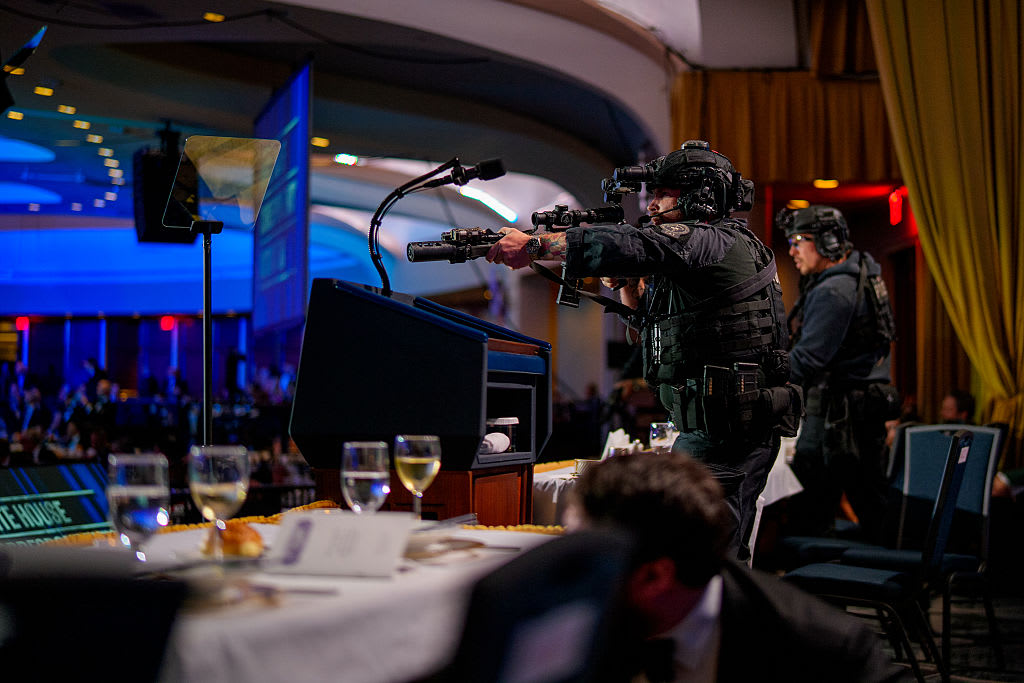
Pirro, a longtime Trump ally who leads the D.C. office, is central to the argument because she has spoken publicly about being in the ballroom during the attack. In a CNN interview transcript cited by CBS, Pirro described the scene as “in that combat zone.” The defense says that kind of public framing makes it incompatible for her office to direct the prosecution.
Why Pirro and Blanche Matter
The motion does not stop at Pirro. CBS reports the defense is also trying to remove Attorney General Todd Blanche from the case, raising the same basic concern: if top DOJ figures are positioning themselves as personally affected, the prosecution risks looking less like neutral law enforcement and more like an interested party seeking a verdict.
DOJ has not been forced, at least publicly, to concede any conflict. Still, the dispute creates a simple tension that a jury pool can understand: the government wants to present itself as a dispassionate narrator of facts, while the defense is pointing to interviews and public commentary as proof that the narrators are also characters.
That tension matters even if Allen never gets traction on the motion. A successful disqualification bid could reshuffle the case to prosecutors outside Washington, slow down the timeline, and complicate charging decisions, especially in a prosecution that already sits inches from politics, security, and media spectacle.
Timeline Pressure and Next Steps
The judge has already set a clock. CBS reports DOJ was directed to respond by June 22nd, 2026, and the defense would have five days after that filing to reply. That puts the next major turning point on paper, not on cable news.
If the court rejects the disqualification push, the case moves forward with the same names at the top, and the defense pivots to discovery fights and trial strategy. If the court takes the motion seriously, the question becomes who steps in, and what that says about a DOJ trying to look insulated from the people closest to the blast.