

The Trump administration’s Iran campaign is running into a familiar Washington trap: the calendar. The Pentagon is signaling that the War Powers Act’s famous 60-day clock does not mean what critics think it means, and Senate Republicans are asking whether that is law or a loophole.
What You Should Know
Senate Republicans are pressing the Trump administration to clarify how it is counting the War Powers Act’s 60-day deadline tied to U.S. military operations against Iran. The Pentagon’s position is being debated as Congress weighs whether to force an authorization vote.
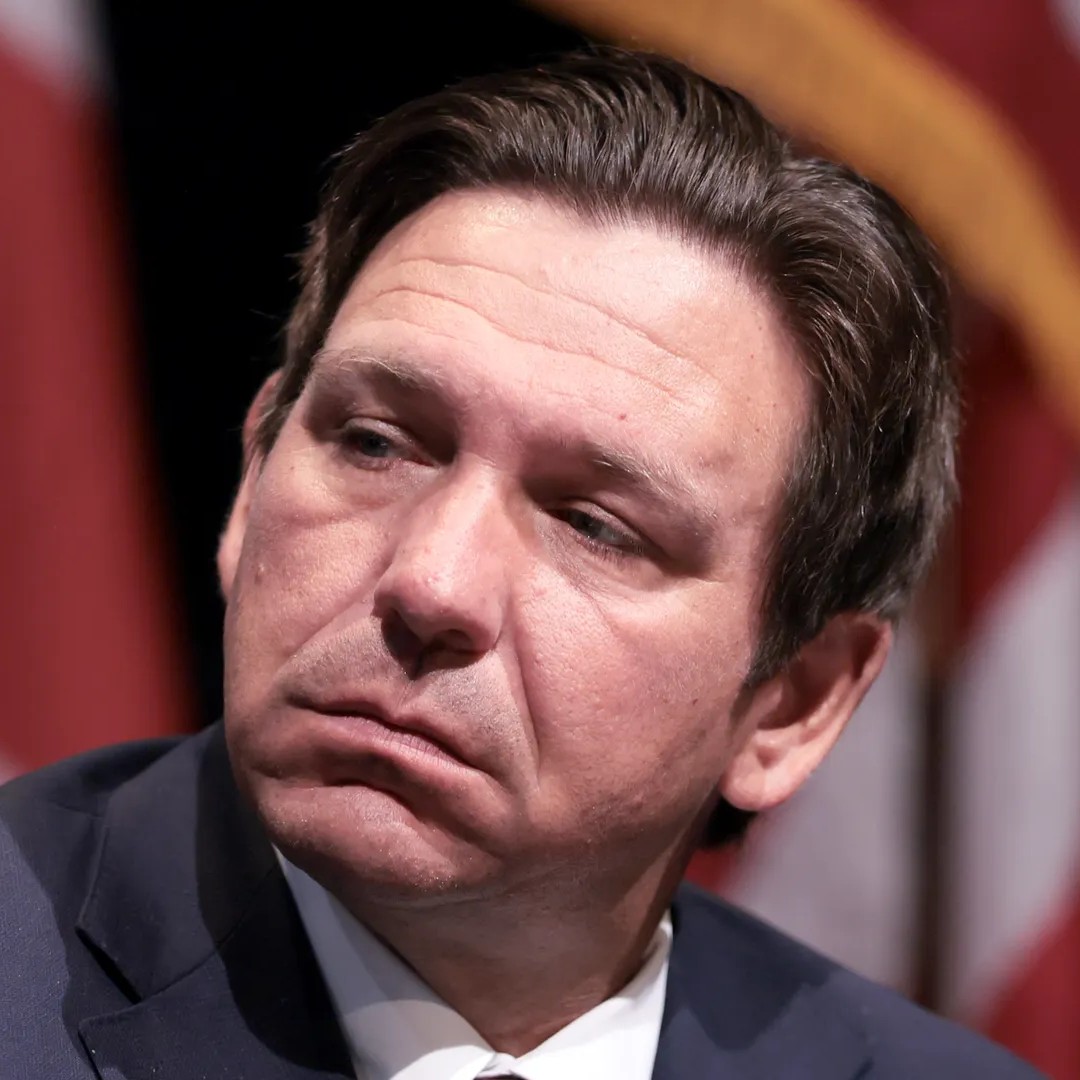
At the center is Defense Secretary Pete Hegseth, who faced questions at a Senate Armed Services Committee hearing on April 30th, 2026, as lawmakers sized up whether the White House is treating the War Powers clock as a hard stop or a technical argument.
The 60-Day Clock Is the Story
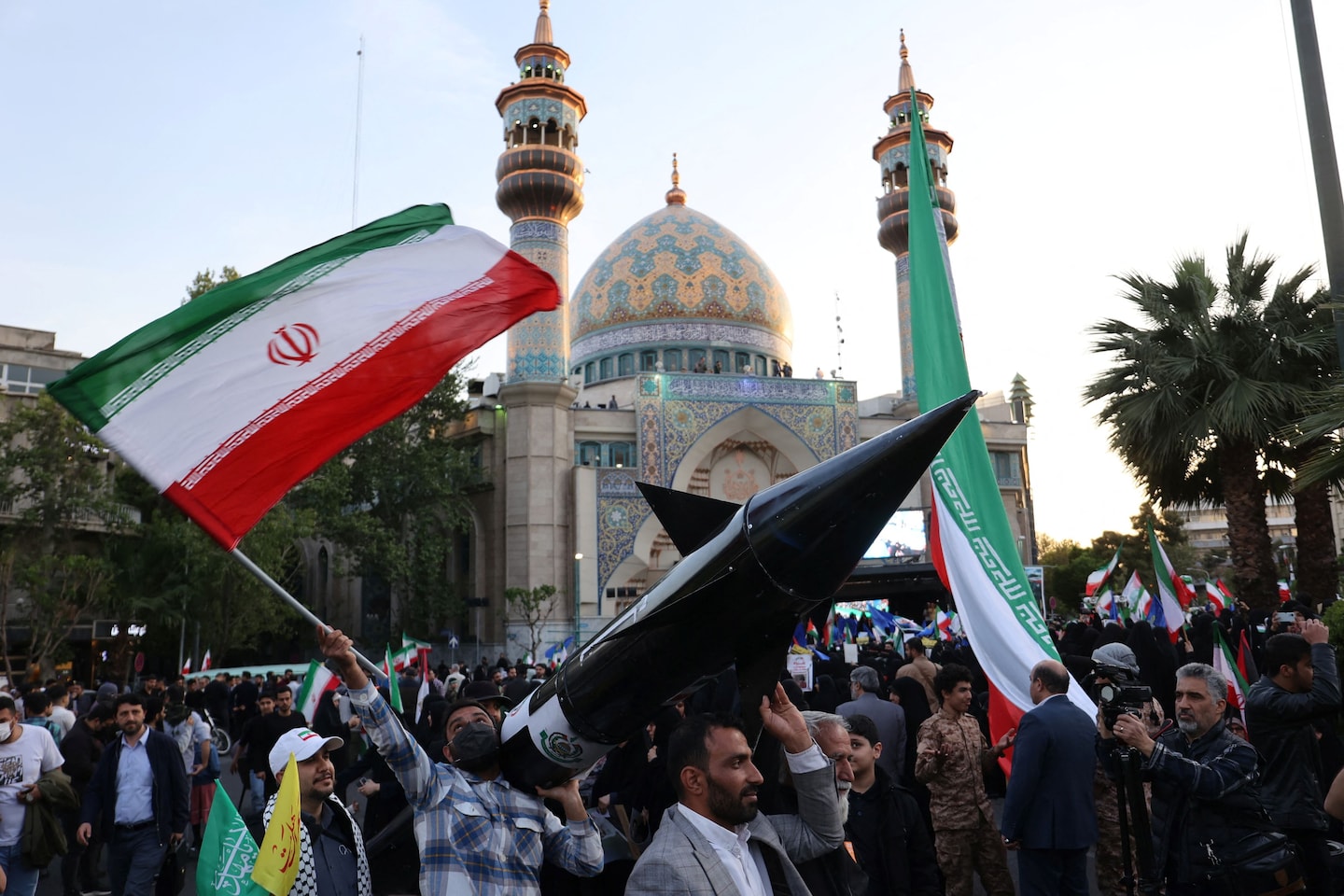
According to Axios, the administration’s first strikes against Iran were on February 28th, 2026, which is why the 60-day marker has become a live wire on Capitol Hill. Under the War Powers framework, a president can deploy U.S. forces into hostilities, but continued action without authorization triggers statutory pressure to withdraw.
The keyword is hostilities. If the Pentagon argues the operation does not meet that definition, or that the clock started later than critics claim, then Congress’s leverage gets thinner fast, and the White House buys time without taking a politically risky authorization vote.
Hegseth’s Argument Meets Wicker’s Shrug
Axios reported that Republicans, including some who have flirted with supporting a war powers resolution, sounded open to Hegseth’s interpretation. That matters because the most effective check on a president is not a cable-news exchange. It is a bipartisan coalition willing to force a floor fight.
Instead, Senate Armed Services Chair Roger Wicker, a Mississippi Republican, signaled little appetite for panic mode, telling reporters he has “not been too concerned” about the deadline, according to Axios. In plain terms, the Pentagon is facing questions, but not necessarily consequences, at least not yet.
Why the Libya Echo Still Haunts War Powers
The argument has precedent. Axios pointed to the 2011 Libya conflict, when the Obama administration faced a similar dispute over whether U.S. actions amounted to hostilities for War Powers purposes, and lawmakers accused the White House of redefining the statute to avoid a cutoff.
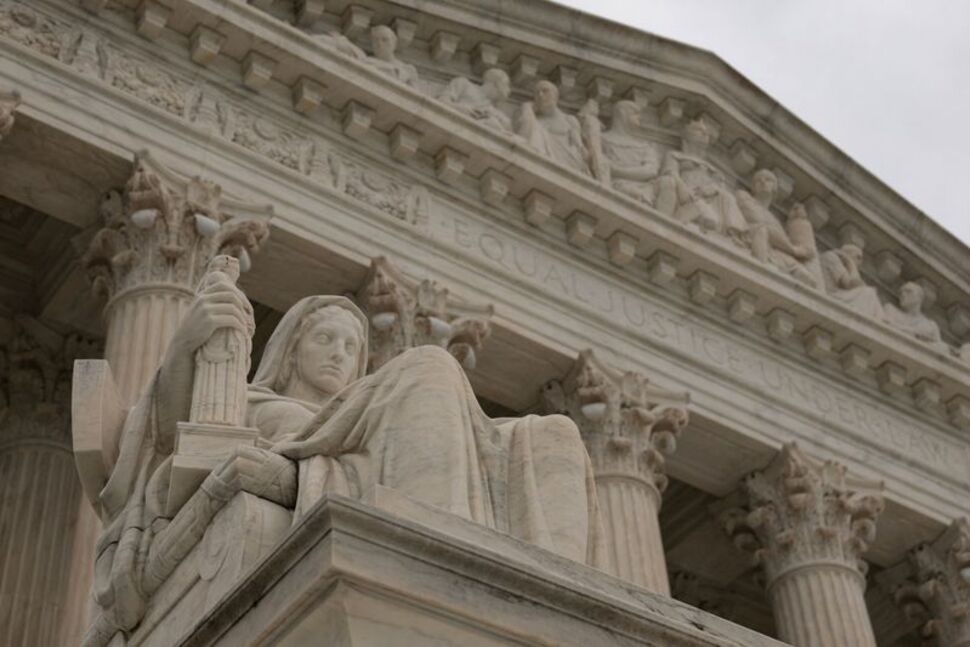
The War Powers Resolution, enacted in 1973 over President Richard Nixon’s veto, was designed to force consultation, reporting, and eventual congressional buy-in when U.S. forces are introduced into conflict. The National Archives and Congress.gov both describe the law’s intent as a structural check, not a suggestion.
What to watch is not just the next Pentagon briefing, but whether lawmakers turn their questions into a binding vote. If they do not, the administration’s interpretation becomes the operating reality, and the 60-day clock becomes another deadline that matters only when Congress decides it does.