

Politicians keep telling voters they are furious for the right reasons. The part they skip is what happens when that fury meets a hard deadline buried in the tax code.
What You Should Know
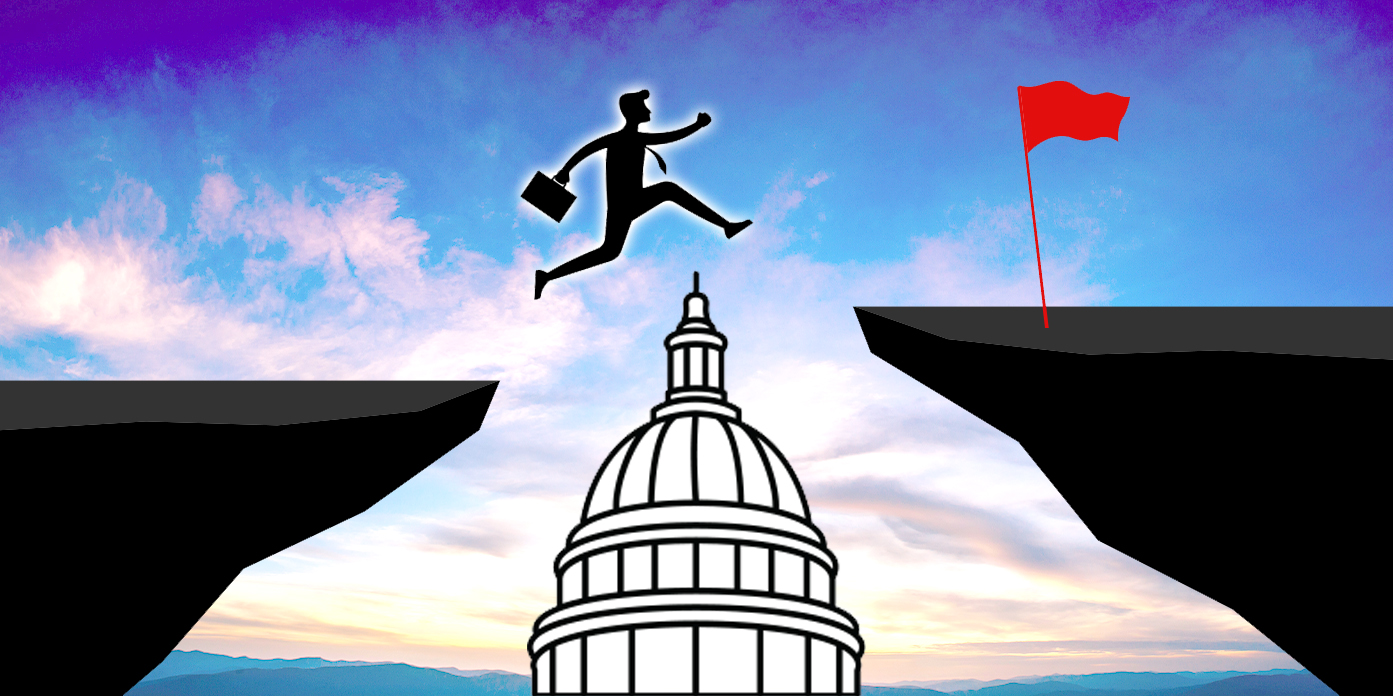
The 2017 Tax Cuts and Jobs Act permanently cut the corporate tax rate while setting many individual tax provisions to expire after 2025. That built-in sunset is now a political weapon, because extending or rewriting it requires Congress to act.
An opinion essay published by The Hill framed voter anger as a warning flare about policy consequences, not just personalities. The receipts-heavy version of that argument starts with one question: When the clock runs out on key tax provisions, who is ready to own the bill, and who is preparing to pin it on someone else?
The Tax Cliff Nobody Wants to Own
The Tax Cuts and Jobs Act, signed on December 22nd, 2017, reshaped the economy’s headline numbers fast. The corporate rate dropped to 21%, a change that did not come with an expiration date in the law.
Many individual provisions, however, were written to phase out after 2025 unless Congress extends them. That structural choice is now the setup for a blame game in which every side claims to be defending families, and each side has an incentive to accuse the other of plotting a tax hike.
The Receipts Are in the Fine Print
The law itself is blunt about what lasts and what does not, and voters do not need a think tank to translate the basic politics. If lawmakers do nothing, the default is change, and change is where campaigns hunt for villains.
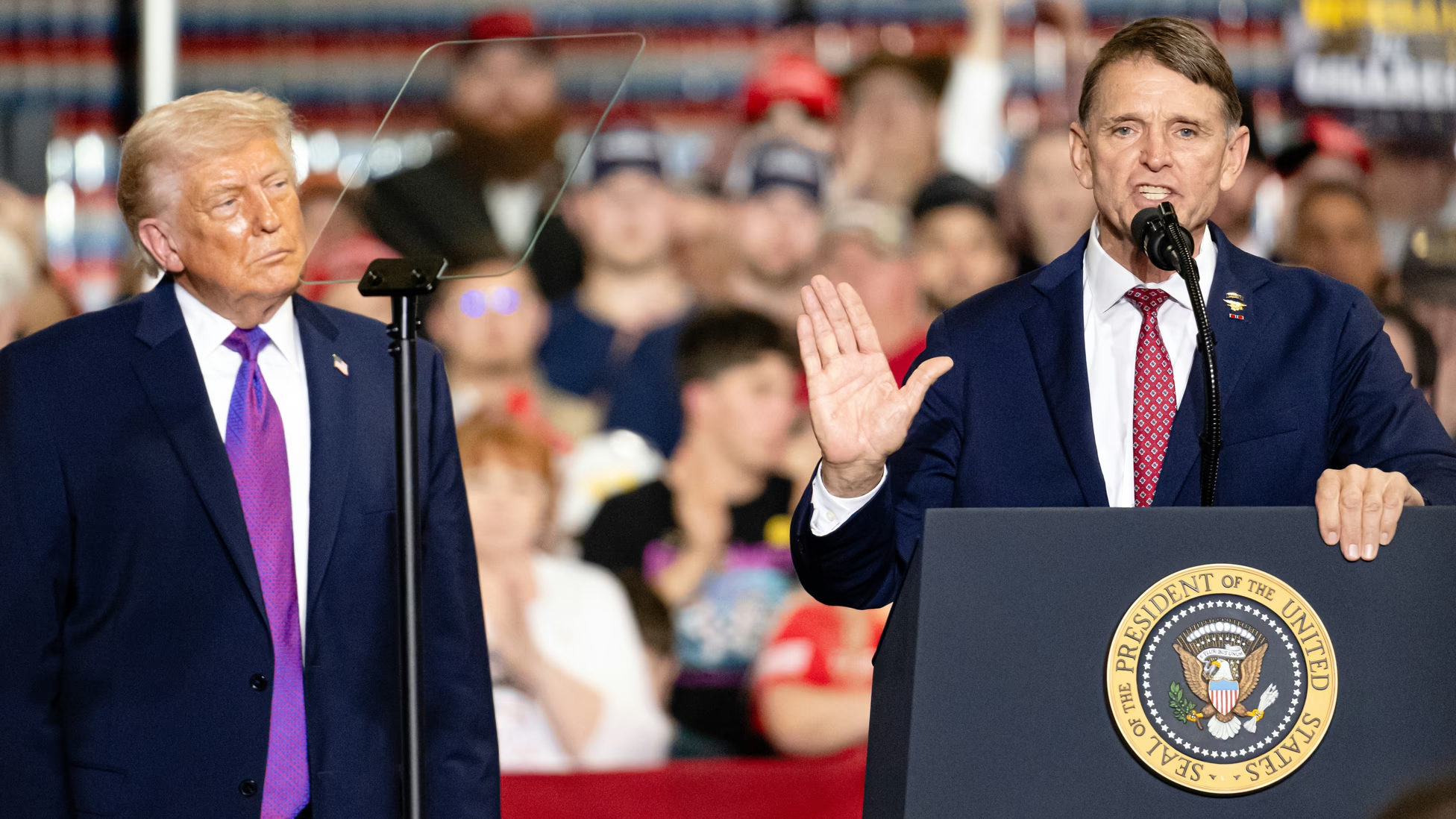
Back in 2017, President Trump sold the package as aimed at ordinary taxpayers. In remarks posted by the Trump White House archives, he said, “This is going to be a middle-class bill.” That line keeps circulating for a reason: It is simple, memorable, and hard to reconcile with a structure in which the corporate cut is permanent and many household-facing provisions are time-limited.
Anger as a Strategy
That contradiction is why voter anger is so useful to people seeking power. If you can get the public focused on who is to blame, you get to dodge the harder question of what your coalition will actually vote for when an extension package lands, including who pays, who benefits, and what gets traded away to make the math work.
Watch for two tells: lawmakers promising permanence without specifying which provisions, and leaders attacking the other side’s “tax hikes” while quietly admitting that any fix requires a bill. The anger is real, but the leverage is in the expiration dates.