

The White House may be flirting with a July 4th spectacle that turns one of Washington’s most quietly used powers into a centerpiece event. The question is not only who gets clemency, but who gets access while the list is still just a proposal.
What You Should Know
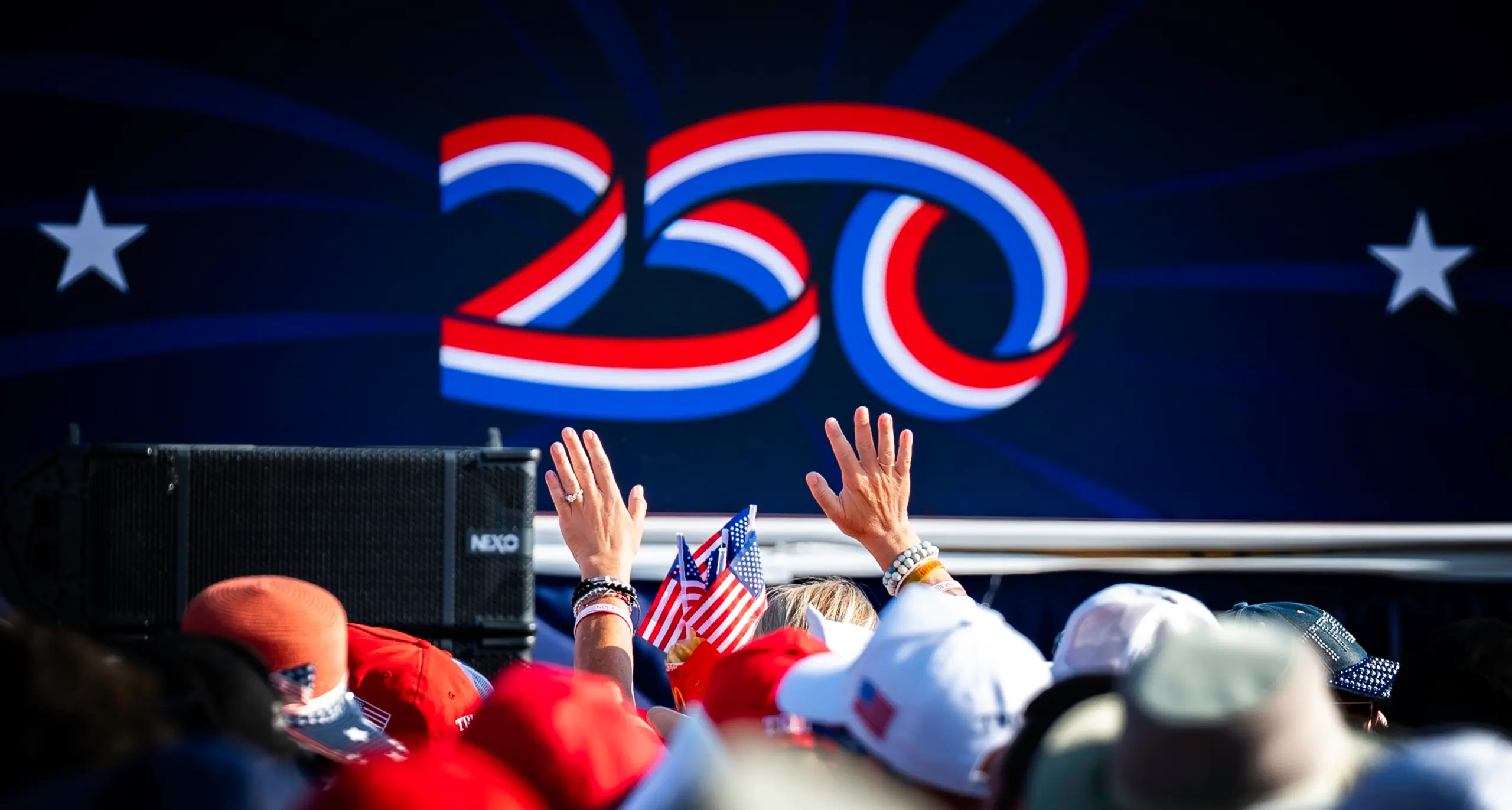
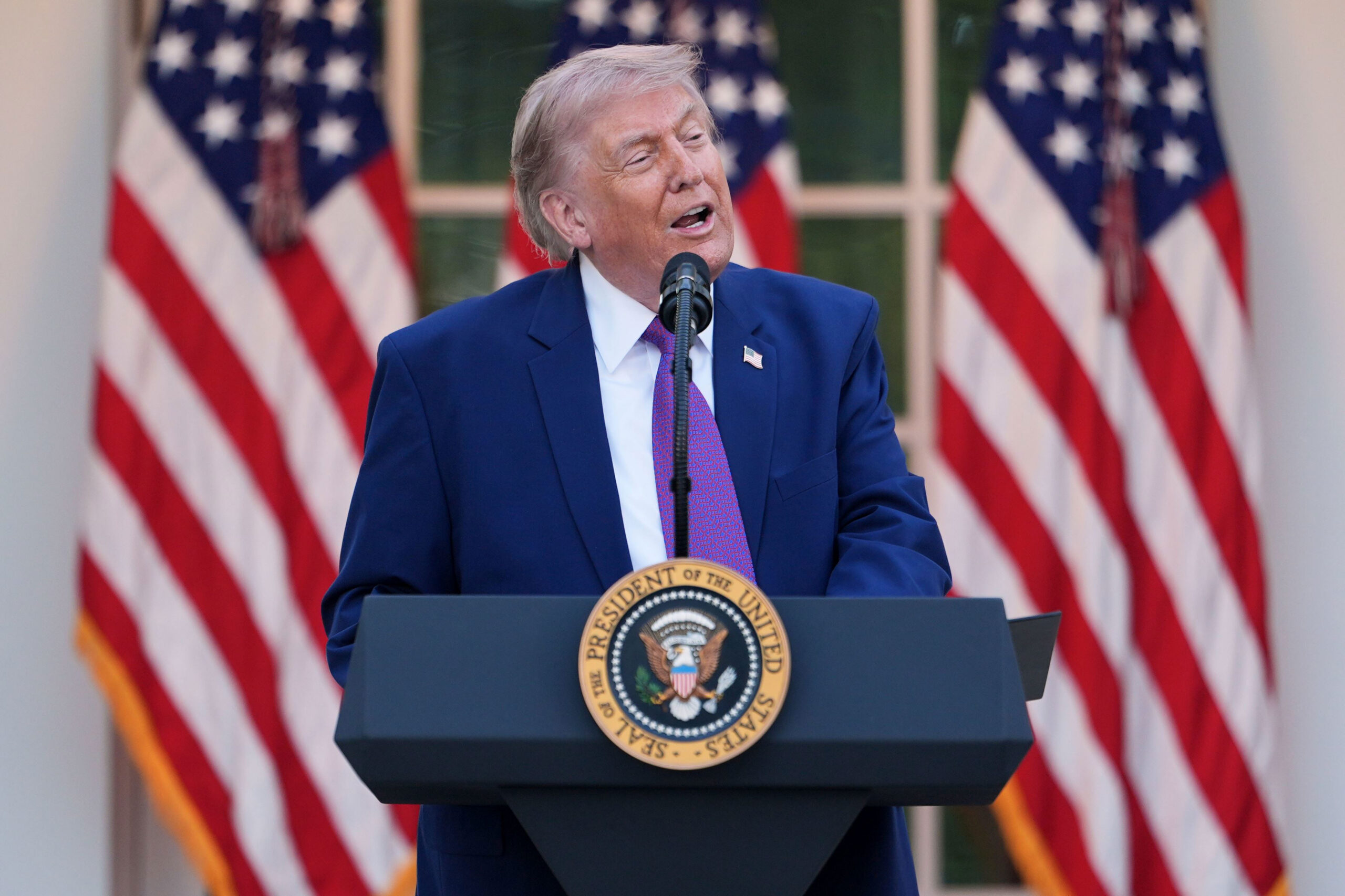
A June 30th, 2026, report said Trump advisers have discussed a possible package of up to 250 pardons tied to the United States’ 250th birthday celebrations around Independence Day. The White House has said the president remains the final decision maker on pardons.
According to The Atlantic, the internal pitch has a nickname, “250 pardons for 250 years,” and it is still stuck at the staff and adviser level, with disagreements over whether a mass clemency moment helps or hurts politically.
The Pitch Behind “250 for 250”
The underlying sell is simple: an Independence Day freedom theme, paired with presidential mercy, packaged as a made-for-television display of authority. The Atlantic reported that advocates inside Trump’s orbit have framed it as reinforcing an image of a merciful president, while opponents worry about blowback and bad optics.
The timing matters, too. The same report noted advisers have debated whether sweeping clemency would play well amid internal party tensions, including congressional unease about other Justice Department proposals and the political drag of intraparty fights.
Access, Money, and the Pardon Middlemen
Where it gets messier is the scramble around the possibility, even before any official announcement. The Atlantic described a surge of lobbying, lawyer referrals, and would-be intermediaries promising proximity to decision-makers as word of a possible July 4th package circulated.
The White House, through Press Secretary Karoline Leavitt, pushed back on the idea of a casual marketplace, saying, “President Trump takes his absolute constitutional power to issue pardons and commutations seriously.” She also described a review process involving the DOJ and the White House Counsel’s Office, with the president as the final decider.
That official-process talk runs into a harder reality: the pardon power is personally held, and the Constitution does not require the president to follow the DOJ’s traditional vetting path. That gap between formal process and informal influence is exactly why the mere hint of a big clemency day can trigger a feeding frenzy.
What to Watch Before July 4th
The next pressure point is whether the idea is formally presented to Trump and, if it is, whether the final package looks like a broad policy gesture or a collection of one-off mercy decisions that invites scrutiny. The Atlantic also reported that some high-profile names were being discussed, and that a White House official later said those individuals were not on the pardon team’s radar.
If a July 4th mass pardon ever becomes real, it will not just test Trump’s politics. It will test whether the White House can convince the public that the loudest voices in the pardon hunt were not the ones who got heard.