


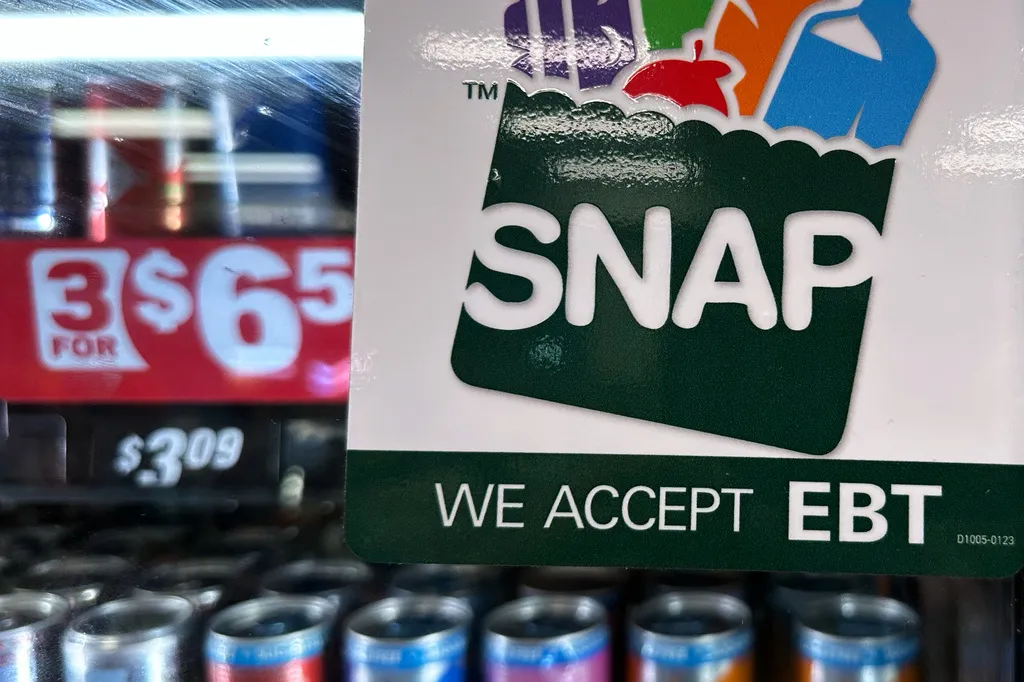
It is a headline that writes itself: a program built to fight hunger, and a rulebook that can still let a household with serious wealth slip through. The real story is not one viral anecdote. It is the quiet policy machinery that makes the loophole possible.
What You Should Know
SNAP eligibility is set by federal rules, but states can use options that change how strictly assets are counted. One of the biggest flashpoints is broad-based categorical eligibility, a state tool that can waive asset limits and expand who qualifies.
The issue popped back up after a recent opinion piece in The Hill argued that the system can allow “millionaires” to receive food assistance. That claim tends to ricochet through Washington because it lands on a basic tension: SNAP is federally funded, but states control major parts of the eligibility pipeline.
The ‘Millionaire’ SNAP Problem, on Paper
At the center is a technical distinction that gets lost in the outrage cycle. SNAP is primarily an income-tested benefit, but asset tests, often called resource limits, can also apply, depending on a state’s choices and the household’s circumstances.
States can broaden eligibility using a policy widely known as broad-based categorical eligibility, often tied to a household receiving a TANF-funded benefit or service. In practice, that can mean a state drops asset tests altogether and, in some cases, sets higher income thresholds than the traditional SNAP baseline.
That is how the “millionaire” scenario enters the chat. A household can be asset-rich but income-poor on paper, especially if assets are illiquid, excluded, or structured in ways that do not show up as countable resources under a given state’s rules. According to a Congressional Research Service report on categorical eligibility, “Categorical eligibility is a process by which households that receive benefits from other means-tested programs are deemed eligible for SNAP.”
Why States Like the Flexibility
State officials and program administrators have long argued that looser asset rules reduce administrative churn. Verifying bank balances, vehicle values, and other resources can be time-consuming, error-prone, and expensive, and it can push eligible families out over paperwork friction rather than true ineligibility.
Critics counter that optics are not a side issue. If a program can be portrayed as serving people with high net worth, even in rare edge cases, it becomes easier for lawmakers to sell cuts, tighter rules, or punitive verification regimes that hit ordinary applicants first.
The stakes show up in every farm bill cycle, because SNAP is the largest piece of that legislation, and eligibility rules are where the political leverage lives. Watch for proposals that target broad-based categorical eligibility, restore stricter asset tests, or standardize rules across states, because each move shifts power from state agencies back to Congress and the USDA.
The “millionaire food stamps” line is designed to win the argument in one sentence. The harder question is whether SNAP’s gate should be guarded by a uniform federal lock, or by 50 state-built doors that swing at different speeds.