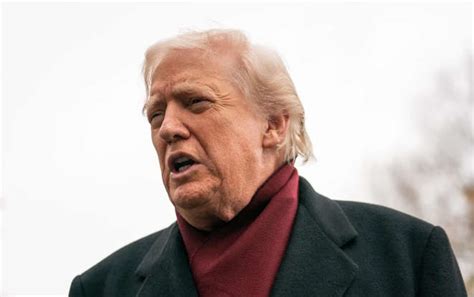


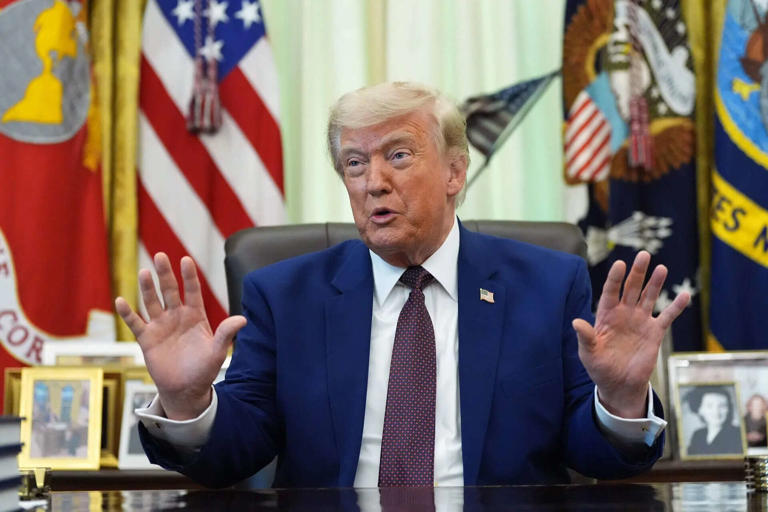
Donald Trump keeps returning to the same role: closer, finisher, the guy who says he can end a fight with a phone call. But when the fight involves Israel and Iran, the sales pitch runs straight into a paper trail Trump helped write.
What You Should Know
On June 8th, 2026, The Hill published a report tying Trump to talks around a possible Israel-Iran ceasefire deal. Trump has a long, documented record on Iran policy that complicates any claim to be a neutral broker.
The setup is familiar. Trump, the presumptive center of gravity in the GOP, wants credit for outcomes abroad while running as the candidate who is tougher than his rivals, tougher than Democrats, and tougher than the diplomatic class.
The Ceasefire Word That Still Moves Power
Even the mention of a ceasefire between Israel and Iran is not just a foreign policy headline. It is a power signal, the kind that scrambles donor conversations, cable news bookings, and the behind-closed-doors positioning of officials who may or may not be in the room.
That is where Trump thrives. The contradiction, however, is that a ceasefire is built on trust and verification, and Trump made his name in this arena by torching an existing verification regime, then daring Iran and America’s allies to live with the fallout.
Trump’s Iran Record Is the Backstory
In May 2018, Trump announced the United States would withdraw from the Joint Comprehensive Plan of Action, the Obama-era nuclear deal with Iran, a move that reshaped the baseline for every negotiation that followed. In that announcement, Trump called the agreement “a horrible one-sided deal that should have never, ever been made.”
Whatever anyone thinks of the JCPOA, it was a structured bargain with inspection provisions, timelines, and a multinational enforcement framework. The Council on Foreign Relations has described the deal’s core trade as sanctions relief in exchange for limits and monitoring of Iran’s nuclear program, which is exactly the kind of architecture ceasefires and de-escalation deals usually borrow from.
Why Owning a Deal Can Become a Liability
Trump’s political incentive is simple: if violence cools, he can argue that pressure works and that his approach gets results. The strategic risk is also simple: if a ceasefire collapses, critics can argue the entire enterprise was theater, and allies can decide Trump is selling headlines, not guarantees.
Arms control specialists also point to a stubborn reality: agreements with Iran tend to live or die on verification details, not vibes. If Trump wants to be seen as the closer in an Israel-Iran standoff, the next question is not whether he can claim credit. It is a question of whether anyone with real leverage thinks his terms are enforceable.
For now, the chatter about June 8th, 2026, is a reminder that Trump’s foreign policy brand is built for attention. The part that will matter is whether the attention produces an agreement that survives daylight, lawyers, and inspectors.