

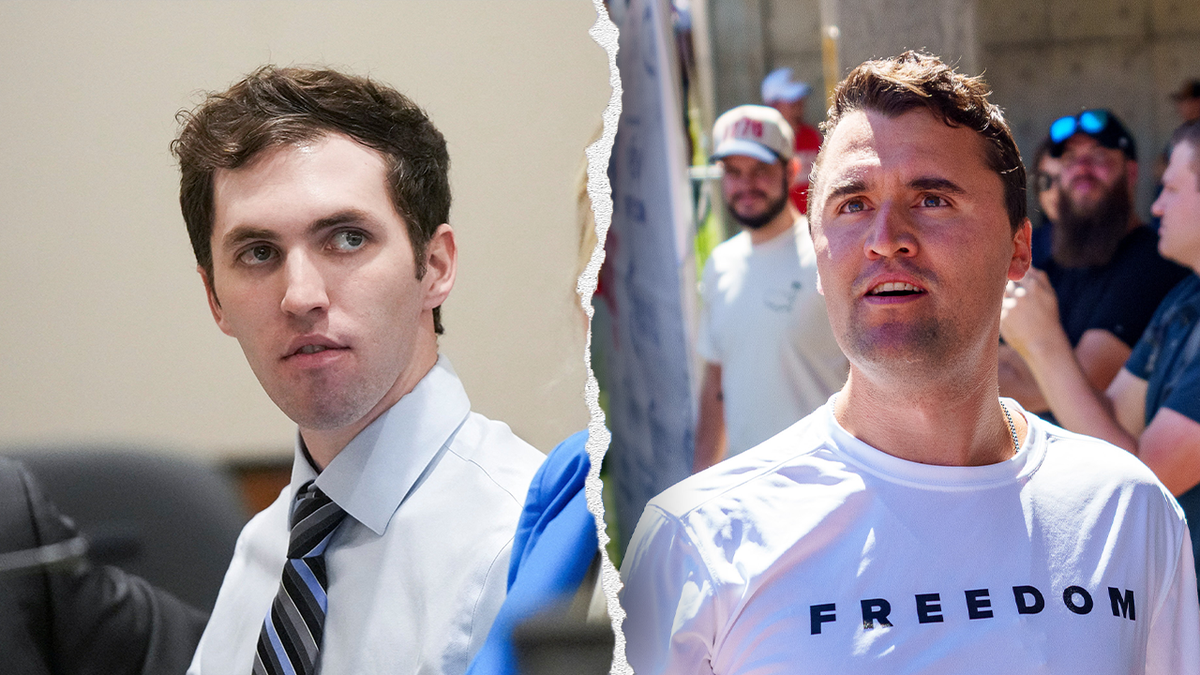
Political influencers can sell defiance by the clip, but court calendars do not run on vibes. A legal fight involving Charlie Kirk and Tyler Robinson is putting a familiar question back on the table: when a judge wants answers, how long can a public figure stall?
What You Should Know
Subpoena disputes can escalate into court hearings when witnesses argue requests are improper, overly broad, or burdensome. Federal rules give judges options to narrow demands, shift costs, and, in some situations, sanction parties who create undue burden or ignore lawful process.
The immediate hook is procedural, not ideological. According to The Hill, hearings were scheduled in a matter involving Kirk and Robinson, a reminder that influence politics can collide with discovery rules that are built to pry loose documents, testimony, and timelines.
In the real world of litigation, the leverage is rarely a dramatic perp walk. It is paperwork, deadlines, and the slow grind of compliance. If a subpoena lands on your doorstep, you either negotiate the scope, ask the court to quash or modify it, or show up.
Where the Pressure Really Comes From
Rule 45 of the Federal Rules of Civil Procedure is blunt about the court’s expectations. It says, “A party or attorney responsible for issuing and serving a subpoena must take reasonable steps to avoid imposing undue burden or expense on a person subject to the subpoena.” That line cuts both ways, because it frames subpoenas as enforceable tools, and it also gives judges a yardstick for dialing back fishing expeditions.
This is where power dynamics get interesting. The subpoena is usually issued by a party with something to win, and the target is often someone with something to protect, such as donor relationships, internal communications, strategy memos, or the kind of informal coordination that looks harmless on TV until it is laid out in an exhibit list.
Publicly, high-profile figures often frame fights like these as principle. Privately, the calculus can be narrower: how much will it cost to comply, what material will be exposed, and how will it play in parallel arenas like sponsors, platforms, and political allies?
Defiance Has a Price Tag
Courts also have escalation tools when disputes curdle into refusal. Under 18 U.S.C. 401, federal courts have statutory authority to punish contempt, a reminder that courtroom control is not a social media poll. Even when sanctions are not the endgame, the threat can force settlements, narrower production, or testimony that neither side wants televised.
There is also a credibility problem. In public, influencers argue that institutions are rigged. In court, those same figures often rely on institutional guardrails, including protective orders, narrowed subpoenas, and judicial discretion, to keep sensitive material from spilling into the open record.
What to watch next is simple: whether the dispute ends in negotiated compliance, a judge-imposed compromise, or consequences that turn a political brand into a legal headache. In these fights, the loudest line is rarely the last word.