

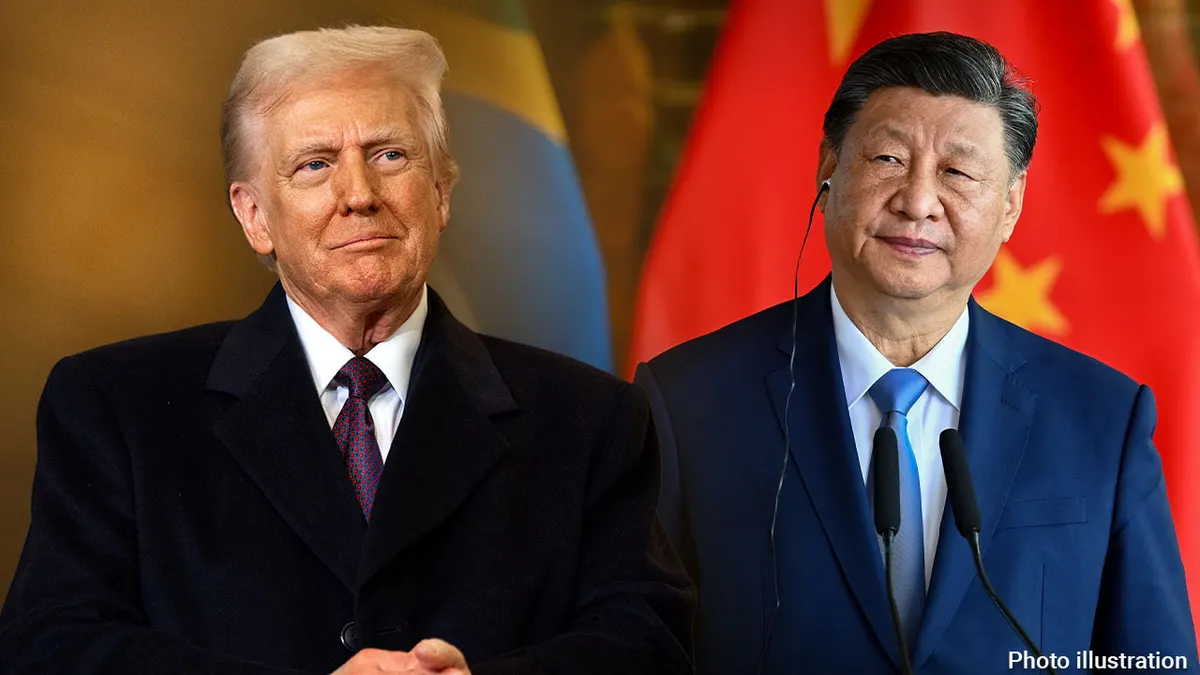
In America, data centers are sold as the physical backbone of the AI age. But in the loudest fights over where they go, the argument is shifting from decibels and zoning maps to something sharper: foreign influence.
What You Should Know
Republicans have warned that China-linked influence campaigns could exploit local opposition to data centers and shape U.S. permitting debates. The issue sits at the intersection of national security, election-year messaging, and the race to build power-hungry computing infrastructure.
Lawmakers have increasingly treated data centers as strategic infrastructure, not just real estate projects, because they sit on the same fault lines as the AI boom: electricity capacity, land near sensitive sites, and supply chains that can trace back overseas.
The flashpoint is political as much as technical. The GOP is pushing a storyline that local resistance, environmental arguments, and neighborhood anger can be amplified, nudged, or even engineered by foreign actors that benefit when U.S. buildouts slow down.
The New Weapon in Local Data Center Fights
Data center projects often arrive with a familiar pitch: jobs, tax base, and a shiny promise of future-proof growth. Residents, meanwhile, show up with concerns about noise, water, transmission lines, property values, and whether the grid can take another massive load.
What has changed is the cast of villains. Instead of just blaming NIMBY politics or corporate lobbying, some Republicans are now arguing that adversaries have incentives to turn local anger into a broader choke point on U.S. tech expansion, especially where permitting delays can be measured in years.
China Claims, Industry Money, and Paper Trails
The national security hook is not imaginary. U.S. officials have long warned that China conducts influence operations and targets critical sectors. On its public guidance, the FBI describes China as the top long-term counterintelligence concern, saying it poses “the most significant long-term threat to our nation’s information and intellectual property and to our economic vitality.”
Still, turning that general threat picture into a specific claim about a specific data center fight is where the burden of proof gets heavy. Permitting brawls already attract their own professional influence machines: industry-funded PR, community coalitions, and local politicians who know a hot zoning vote can end careers.
That creates an awkward overlap. If a public official says a project is being targeted by foreign influence, critics can ask for documentation. If a company says opposition is astroturf, residents can ask who is paying the consultants. Either way, the accusations raise the stakes for everyone involved.
What Happens if the Grid Says No
The practical constraint is power. The U.S. Department of Energy has documented how data centers can drive significant electricity demand, and that reality is increasingly shaping where projects can be built and how fast they can connect. That means the next fights may hinge less on who wins the messaging war and more on whether utilities, regulators, and local governments can line up generation, transmission, and permits before the money moves elsewhere.
Watch what comes next: more congressional noise about adversaries, more defensive disclosures from developers, and more pressure on states and counties to pick a side between growth and restraint.
References