

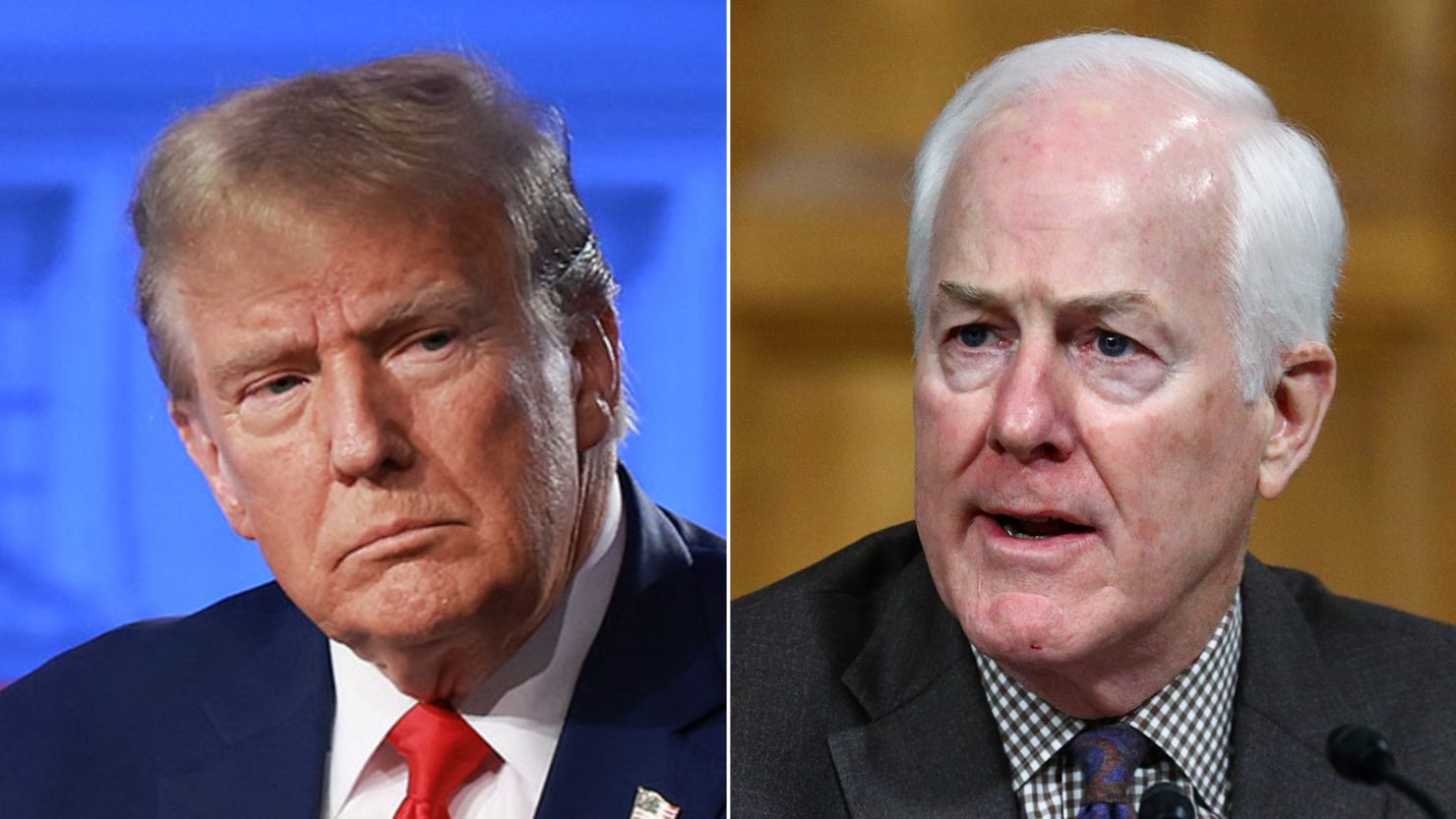
John Cornyn has a simple sales pitch for nervous Republicans: he knows what chaos looks like up close. The harder question is why the party keeps building its power structure around the guy Cornyn keeps calling a “chaos machine.”
What You Should Know
Sen. John Cornyn, a Texas Republican, has been discussed in GOP circles as a potential future Senate leader as Mitch McConnell prepares to step down. Cornyn has also signaled concerns about the disorder Donald Trump can bring to party strategy and governance.
Cornyn is not a cable-news flamethrower. He is a long-serving senator, a former member of Senate GOP leadership, and a prolific fundraiser with deep ties to donors and institutional Republicans. That makes his reported warnings about Trump stand out, because Cornyn also operates within a party where Trump remains a central power.
Cornyn’s Tightrope in a Trump Party
According to The Hill, Cornyn has framed Trump as a magnet for turmoil, even as Republicans head into another cycle where Trump looms over nominations, messaging, and loyalty tests. That is not just a personality critique. It is a forecast about governance and a warning about collateral damage.
The timing matters. McConnell has said he will step aside as Senate Republican leader after the 2024 election cycle, opening a fight over what kind of leadership the conference wants next. In a Senate where margins are tight, a leader is not only a strategist. He is also a collector of votes, money, and discipline.
Records, Receipts, and the Leadership Math
McConnell, announcing his planned departure, put it in blunt, almost corporate terms: “One of life’s most underrated talents is to know when it’s time to move on to life’s next chapter.” The quote, carried across major outlets, landed like a starter pistol for the next-in-line scramble.
Reuters and other national reporting have described multiple Republicans as possible contenders in that post-McConnell landscape. Cornyn’s name comes up because he has relationships across the conference and a history of moving legislation, which is currency in a chamber that runs on unanimous-consent deals and backroom bargaining.
But the Trump factor changes the math. The modern GOP has two centers of gravity: the Senate conference and the Trump-aligned electorate that can decide careers in low-turnout primaries. A Senate leader does not run those primaries, but he cannot pretend they do not exist.
Why the Chaos Label Has Consequences
If Cornyn is telling colleagues that Trump brings disorder, that message has two audiences. To donors and swing-state pragmatists, it signals competence and risk management. To activists who view Trump as the party’s engine, it can read as distancing, which is exactly the kind of posture that gets clipped into attack ads.
That is the core contradiction. Republicans routinely describe Trump as essential for energy, fundraising, and media dominance, then privately worry about the governance and legal turbulence that follows. If Cornyn tries to turn anti-chaos credibility into leadership momentum, the next test is simple: can he do it without becoming the next target of the very force he is warning about?