

Donald Trump is back on his favorite battlefield, the press, and his chosen opponent is a familiar one. The New York Times took fresh fire, but the more interesting question is why this particular feud keeps resurfacing, even though the consequences are not just political.
What You Should Know
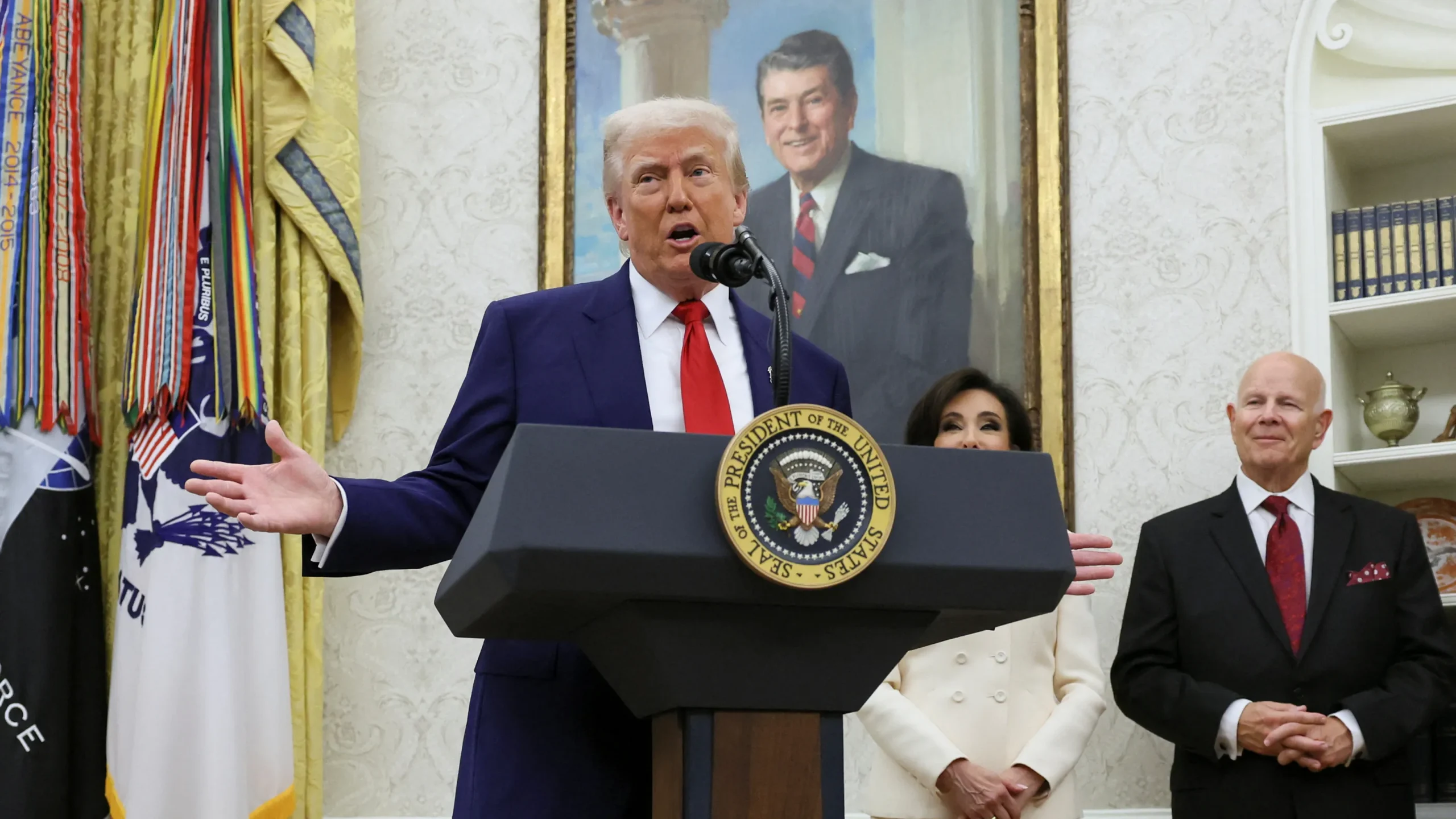
According to The Hill, Trump criticized The New York Times in a new public broadside. The dispute fits a long-running pattern in which Trump attacks major outlets while their reporting and his reactions become part of the broader public record around him.
The immediate trigger, as described by The Hill, was a new round of Trump criticism aimed at The New York Times and its coverage. Trump has spent years turning media conflict into campaign fuel, but this time the tension is not happening in a vacuum.
The Feud Is a Strategy, Not a Side Quest
Trump has long treated legacy outlets as both megaphone and villain. He attacks their motives, questions their credibility, and then uses the resulting attention to keep his own narrative in motion.
“The Failing New York Times”
That kind of language is not just a throwaway insult. It is a branding move, one that signals to allies which institutions are inside the circle and which are supposed to be treated as hostile.
The power dynamic is simple. A former president and current political force can rally supporters by portraying scrutiny as persecution, while a newsroom can point to sourcing, documents, and on-the-record statements. Each side benefits from the clash, but only one side controls the fundraising lists.
Receipts vs. Rhetoric, Where It Starts to Cost Money
There is also a practical reason these blowups matter. Trump has a history of threatening legal action against news organizations, and when disputes move from speeches to courtrooms, judges, lawyers, and filings do not grade on vibes.
That is where the contradiction sharpens. Publicly, Trump frames critical coverage as biased or malicious. In legal settings, arguments tend to narrow to facts, timelines, and what can be proven, turning a media feud into a test of credibility and resources.
For The New York Times, the stakes are institutional. For Trump, the stakes can be financial, strategic, and political, especially when any public statement becomes a reference point for opponents, investigators, or litigants looking for inconsistencies.
What Happens Next
Watch for whether Trump keeps this fight at the level of rhetoric, or whether allies try to formalize it through complaints, demands, or litigation. Also watch for how quickly the message jumps from a media target to a broader argument about accountability.
One way or another, Trump is betting that picking a powerful enemy still pays. The Times is betting that paper trails, not punchlines, are what last.