

Democrats are already floating fresh names for 2026 House races, but the first election is not in November. It is the quiet, expensive audition for donors, endorsements, and national attention that determines who gets taken seriously.
What You Should Know
A May 26th, 2026, report highlighted Democrats promoting potential House candidates for the 2026 cycle, including a recruit described as Galindo-Villegas and another with the surname Bains. House races run on early money, early allies, and unforgiving filing deadlines.
The backdrop is simple and relentless: the U.S. Constitution requires House elections every two years, which turns politics into a permanent pressure cooker for incumbents and challengers alike.
The Recruiting Pitch Is About Power, Not Just Profiles
When party committees and allied groups start circulating shortlists, they are not only measuring biography. They are signaling to donors, consultants, and would-be rivals that a lane is being claimed.
That is why the specific names matter less than the mechanics. A new candidate can look like a headline, but without money, staff, and local institutional cover, the campaign becomes a test run that ends before most voters learn the person exists.
The First Deadline That Counts Is the Fundraising One
In modern House campaigns, cash is leverage. It buys early ad reservations, forces outside groups to pay attention, and discourages primary challengers who do not want to fight both a rival and an ecosystem.
It also creates a contradiction parties rarely say out loud. The public pitch is usually about representation, competence, and kitchen-table issues, while the private gatekeeping question is whether a recruit can post credible Federal Election Commission numbers on schedule and keep doing it quarter after quarter.
What to Watch as 2026 Gets Closer
The next tells are not speeches. Watch for endorsements from local elected officials, labor, and issue groups, as well as early staffing hires that signal a campaign is built to scale, not just to announce.
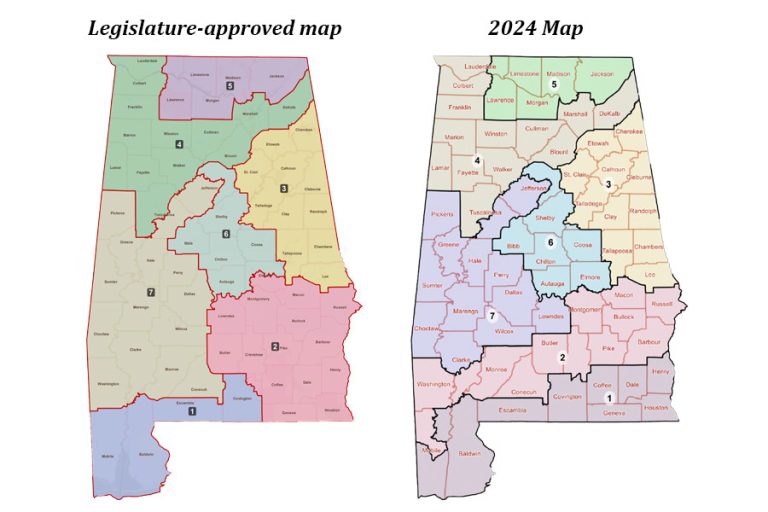
Also watch the map and the calendar. Court fights over lines, late retirements, or a sudden national wave can scramble a party-built plan, rewarding candidates who have already locked in donors and field capacity before the chaos hits.
For Democrats, recruits like Galindo-Villegas and Bains are a preview of a bigger bet: that disciplined, fundraise-ready candidates can turn a handful of races into a majority fight. For everyone else, the question is whether the party is building a battlefield or just building a press release.