

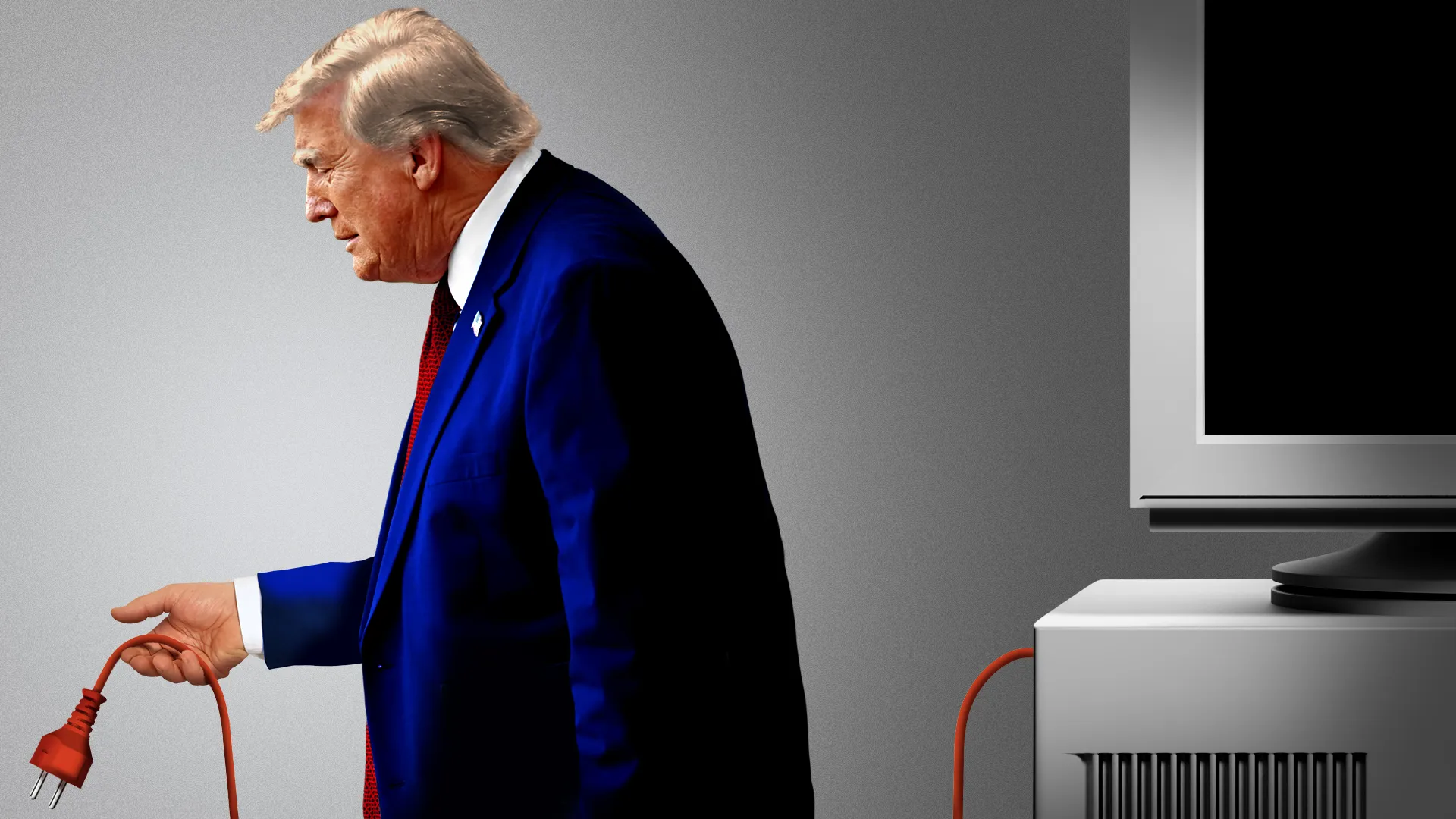
The White House is betting that AI can help spot the next cyberattack faster than humans can blink. The catch is that the government now has to decide who gets access to what data, who gets blamed when AI misses something, and which companies get stuck paying for the new rules.
What You Should Know
Axios reported on May 26th, 2026, that the White House and the Cybersecurity and Infrastructure Security Agency are collaborating on AI-driven cybersecurity initiatives. The effort places a federal cyber agency closer to the center of how the government adopts AI tools.
Axios said the collaboration aims to bring AI into cybersecurity work tied to federal priorities.
CISA, a component of the Department of Homeland Security, has spent years positioning itself as the government’s loudest voice on critical infrastructure defense. Pulling AI into that orbit is not just a technical upgrade. It is a power move over standards, procurement, and the security promises that vendors will be pushed to make in writing.
Why CISA Wants a Seat at the AI Table
In practice, AI in cybersecurity often means faster analysis of logs, phishing patterns, and network signals, plus automation that can reduce the time between detection and response. The upside is speed at scale. The downside is that automated systems can also amplify bad data, brittle assumptions, or vendor hype that is hard to audit from the outside.
For CISA, the initiative also fits a broader messaging campaign: security is supposed to be built into products, not bolted on after a breach. That framing shifts leverage away from victims, including government agencies, and toward the companies selling software, cloud services, and security tools into federal systems.
The Tension Point Is Not the Algorithm, It Is the Accountability
Washington already has a paper trail for how it wants AI governed. In the White House’s October 2023 executive order on AI, the policy goal is spelled out plainly: “It is the policy of the United States to ensure that AI is safe, secure, and trustworthy.” That language sounds neat until agencies have to translate it into requirements that can be tested, enforced, and funded.
Meanwhile, NIST has pushed agencies and companies toward structured risk language, including mapping AI harms and controls. The moment the White House and CISA move from coordination to compliance, vendors can expect familiar federal questions to sharpen: What data trained the system? How is it monitored? What happens when it fails, and who carries the liability?
What to Watch Next
Expect the next phase to revolve around the unglamorous mechanics, including procurement rules, security baselines, and whether the government prefers to buy commercial tools or build its own. If CISA becomes the clearinghouse for AI cyber guidance, the biggest story will be which standards become mandatory, and which firms can actually meet them on the government’s timeline.