

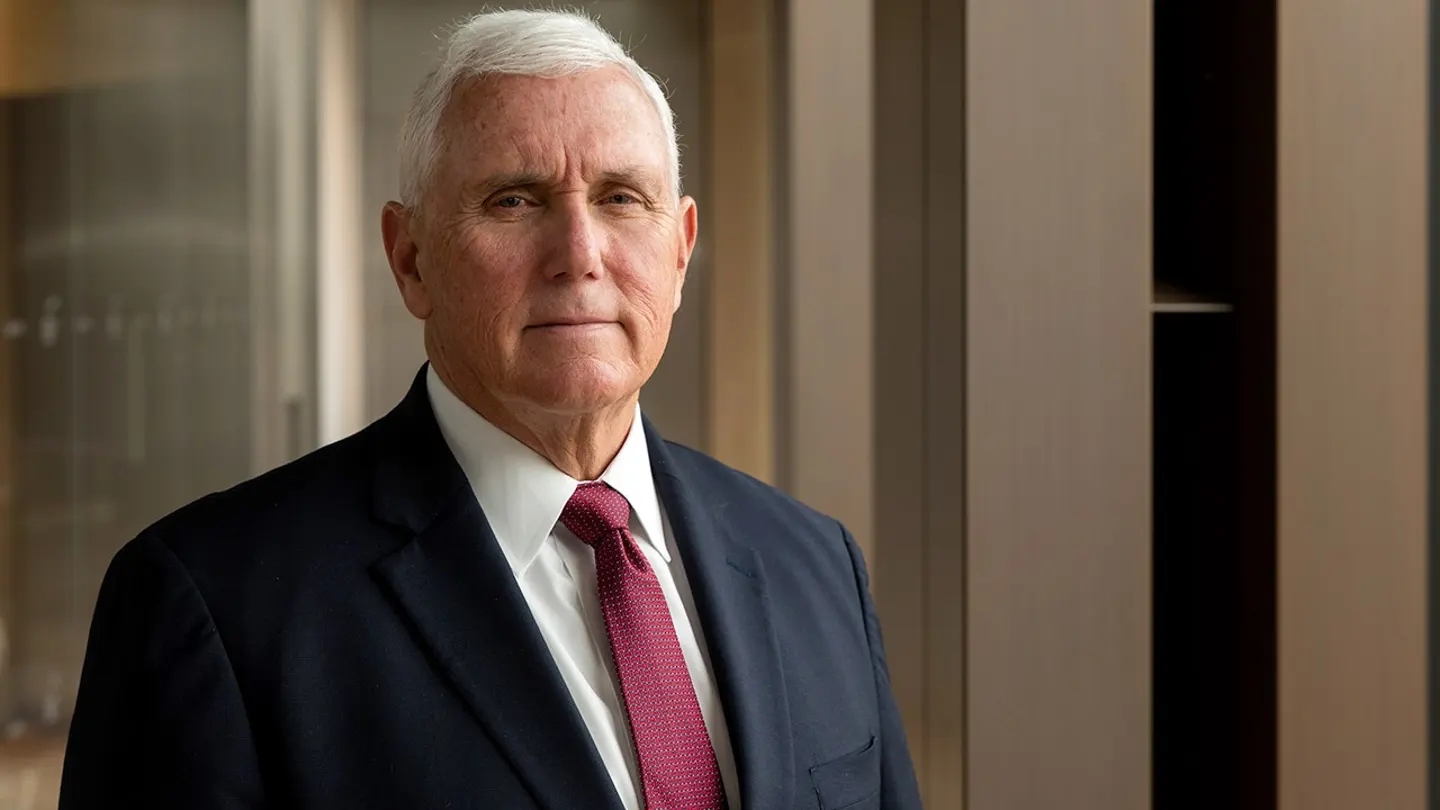
Mike Pence spent four years selling Donald Trump as a singularly tough closer on Iran. Now, Pence is pointing at the Iran file as proof that toughness and strategy are not always the same thing, and that distinction is suddenly doing political work.
What You Should Know
Mike Pence criticized Donald Trump over the Iran nuclear deal debate, according to The Hill. Trump withdrew the United States from the 2015 Joint Comprehensive Plan of Action (JCPOA) in 2018 and reimposed sanctions.
Pence, the former vice president, is trying to occupy a narrow lane: sound more hawkish and more disciplined than Trump without detonating the Republican base that still treats Trump as the party’s center of gravity.
A Foreign Policy Split That Doubles as a Power Play
When Pence criticizes Trump on Iran, he is not just litigating a policy memo. He is challenging the idea that Trump-era decisions should be treated as untouchable history, even by the people who helped implement them.
That is risky because the Iran issue is a loyalty test disguised as a national security argument. In Republican politics, being “tough on Iran” is table stakes, but there are competing definitions of tough, and Pence is betting voters will notice the difference.
The Receipt Everyone Points to Is May 2018
Trump’s clearest on-the-record argument is still the May 2018 withdrawal announcement, preserved in the White House archives. “I am announcing today that the United States will withdraw from the Iran nuclear deal,” Trump said, framing the JCPOA as a one-sided arrangement that enriched Tehran.
Supporters argue the exit restored leverage through sanctions and signaled that U.S. promises come with conditions. Critics counter that the move isolated Washington from key partners and set up a cycle where Iran expanded its nuclear activities while diplomacy narrowed, a tension BBC News has repeatedly mapped in its explainers.
What Pence Is Really Testing
Pence’s critique comes at an awkward moment for the party’s foreign-policy identity. The GOP has factions that want maximum pressure, factions that want dealmaking theater, and factions that want less engagement altogether, and Iran is where those impulses collide.
The next test is whether this stays rhetorical or turns into a concrete pledge: no new deal, a different deal, or a harder enforcement plan. For Pence, the upside is a cleaner brand. For Trump, it is a reminder that even former allies can use Iran as a safe way to question the boss.