

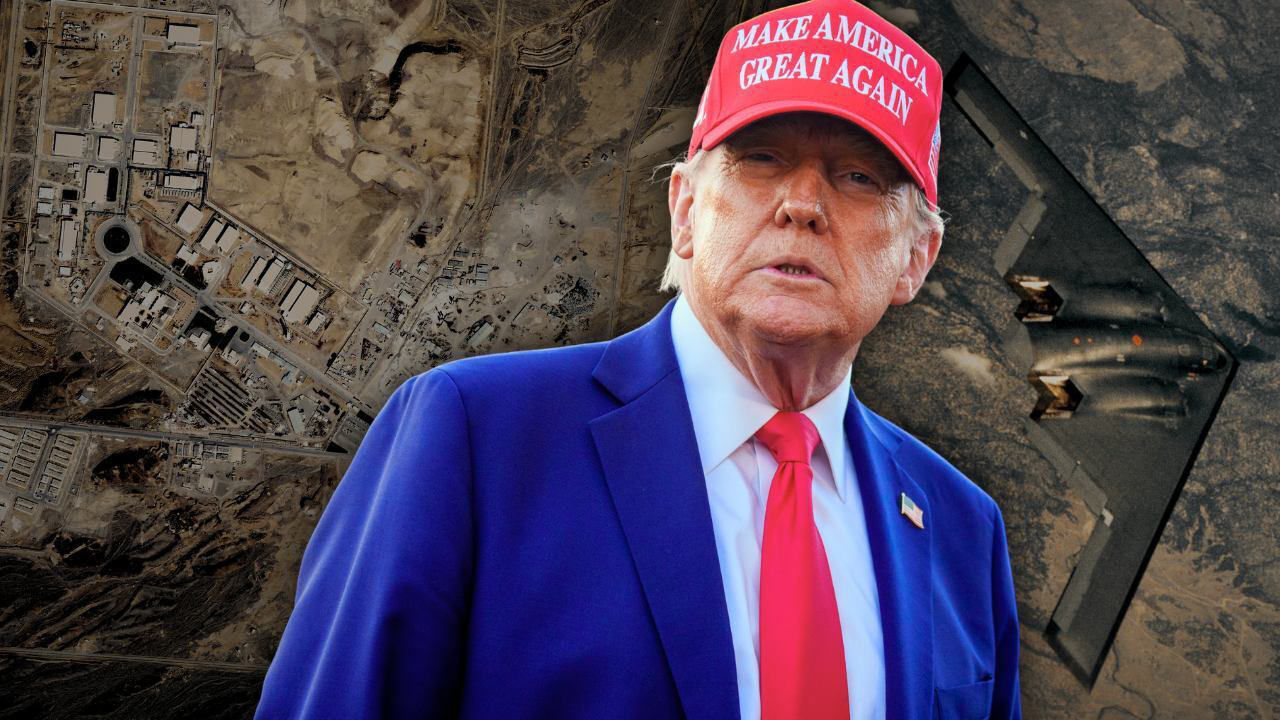
Trump keeps teasing a calmer, deal-making posture toward Iran. The problem is his own paper trail reads less like a ceasefire pitch and more like a ladder of escalation.
What You Should Know
As president, Donald Trump pulled the U.S. out of the Iran nuclear deal in 2018 and later ordered the 2020 strike that killed Iranian Gen. Qasem Soleimani. Those two moves still shape the risks and the politics around any new U.S. showdown with Tehran.
Trump, the presumptive GOP standard-bearer, is trying to sell a familiar contrast: strength without entanglement. Iran is where that branding runs into the receipts, because his biggest choices produced confrontation, not calm.
The “Restraint” Branding vs. the Receipts
The central contradiction started in May 2018, when Trump withdrew from the Joint Comprehensive Plan of Action, the Obama-era nuclear agreement with Iran. The decision was cheered by Iran hawks, attacked by critics who argued it removed constraints, and treated by allies as a geopolitical tremor, according to BBC News and The New York Times.
In the White House announcement, Trump did not frame the exit as a step toward de-escalation. He called the agreement flawed, saying, “The deal was defective at its core,” a line preserved in the Trump White House archives.
Then came the moment that still defines the risk curve: the January 2020 U.S. strike in Baghdad that killed Soleimani, the head of Iran’s elite Quds Force. BBC News reported the killing and the immediate fears of spiraling retaliation, a fear that quickly became a policy problem, not just a cable-news chyron.
Why the Iran Fight Keeps Reappearing
Iran sits at the intersection of politics and power. A president can reorder sanctions, surge forces, authorize covert action, or greenlight strikes with a speed that Congress often cannot match, and each lever pulls on oil markets, alliance commitments, and regional security calculations.
That is why Trump’s rhetoric matters even when it is vague. The same coalition that applauded leaving the nuclear deal also tends to push a harder military posture, while Trump’s base-facing message often leans on avoiding long wars. The result is a constant tug-of-war between “make a deal” vibes and maximum-pressure instincts.
What To Watch if Pressure Builds Again
If tensions rise, watch for a specific tell: does Trump talk about verification and limits, or does he jump straight to threats and sanctions? The first points toward a negotiated framework. The second points toward the kind of escalation ladder that defined his first term.
Either way, the stakes are bigger than a campaign sound bite. Iran is one of the few arenas where a president’s words can harden into a military timetable before the public even agrees on what the plan is.