

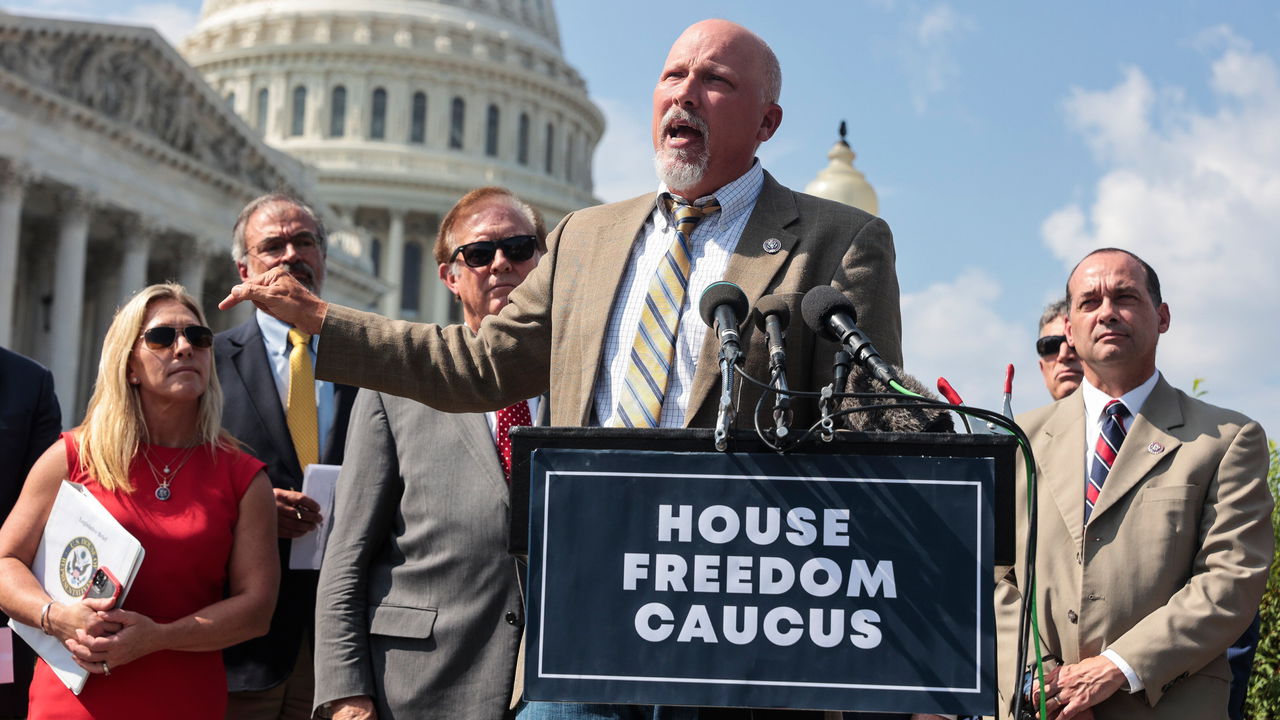
The House Freedom Caucus built its brand on saying no. Now, its real flex is deciding who gets to say yes, and at what price.
What You Should Know
The House Freedom Caucus has gained leverage in a narrowly divided House, shaping leadership contests, floor strategy, and spending fights. Recent speaker turmoil underscored how a small bloc can force major concessions and absorb the fallout.
The Hill recently framed the moment as a transformation, and the timing is not subtle. A group that once treated leadership as the enemy now often functions as a parallel leadership team, with its own red lines and enforcement.
How the No Caucus Learned the Levers
The Freedom Caucus emerged in the 2010s as an internal GOP rebellion, selling itself as a constitutional hardliner outfit that would not play along with leadership deals. The pitch was simple: fewer compromises, more confrontation, and an appetite for brinkmanship that made even fellow Republicans nervous.
However, confrontation is only a brand until it becomes a math problem. In a closely divided House, a small bloc can turn procedural votes into leverage, and leverage into concessions, on rules, committee assignments, and what bills even get a chance to breathe on the floor.
Leadership Fights Turned Into a Business Model
That leverage became impossible to ignore on October 3rd, 2023, when then-Speaker Kevin McCarthy was removed in a rare floor revolt fueled by Republicans. According to reporting from Reuters and The Associated Press, McCarthy brushed off the aftermath with a tight message: “I have no regrets.”
The quote captured the contradiction at the heart of the caucus era. The group insists it is resisting a broken system, but its most visible wins often come through making the system harder to run, then offering votes only after extracting terms.
The New Risk, Owning the Chaos
Meanwhile, the closer the caucus gets to the steering wheel, the harder it is to pin every failure on faceless leaders. Shutdown deadlines, messy rule fights, and stalled bills stop looking like proof of purity and start looking like a governing record, especially when the same members who demand maximal cuts also demand maximal control.
Democrats, for their part, have tried to spotlight the dynamic as evidence that GOP leadership is captive to its right flank, a message that plays well during high-stakes funding showdowns. Republicans counter that the caucus is doing what voters sent them to do, and that leadership has been too willing to trade away leverage for temporary peace.
What to watch is not whether the Freedom Caucus can blow up another plan. It is whether it can own the consequences when the next crisis lands, and the House needs more than a veto.