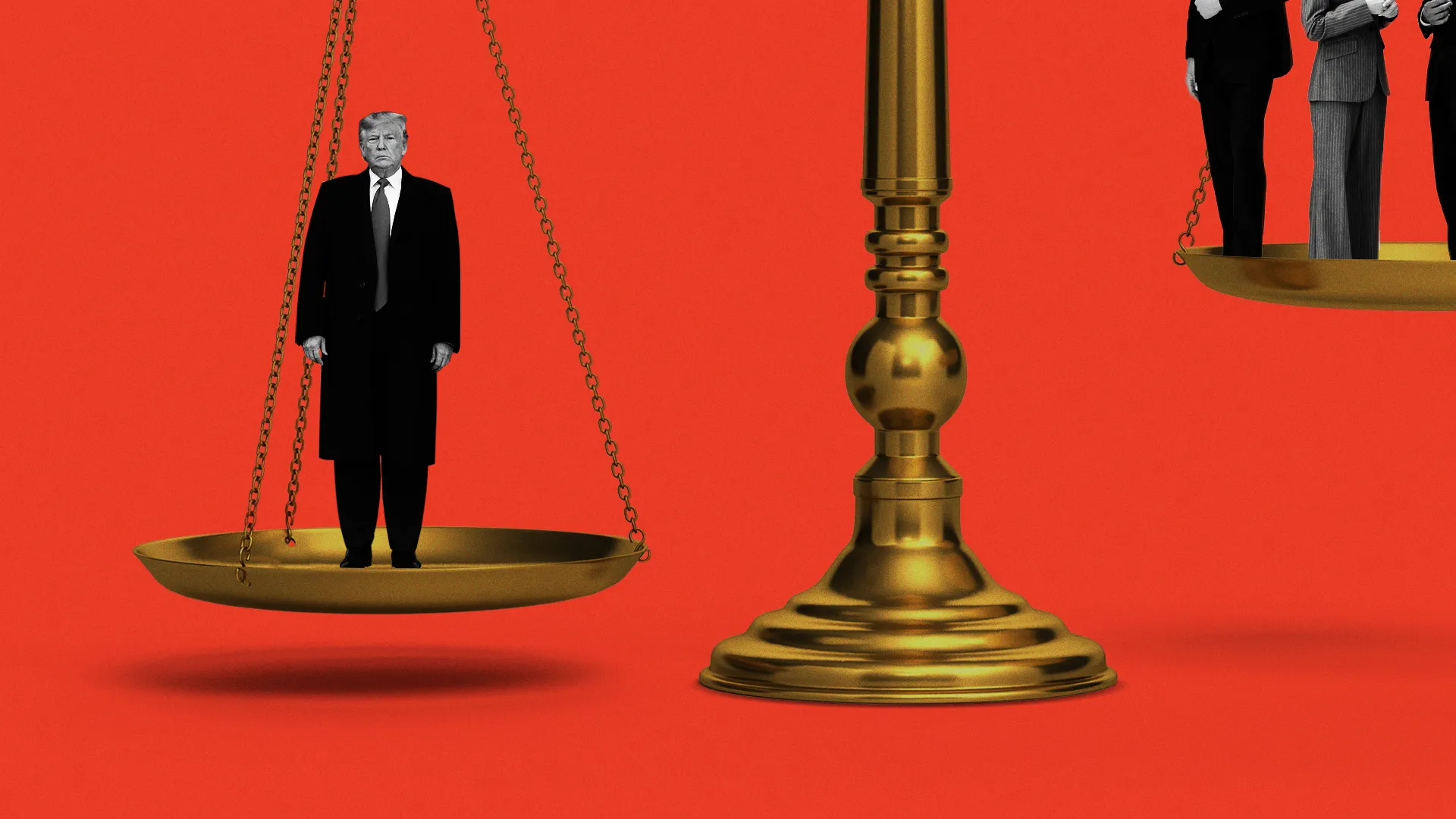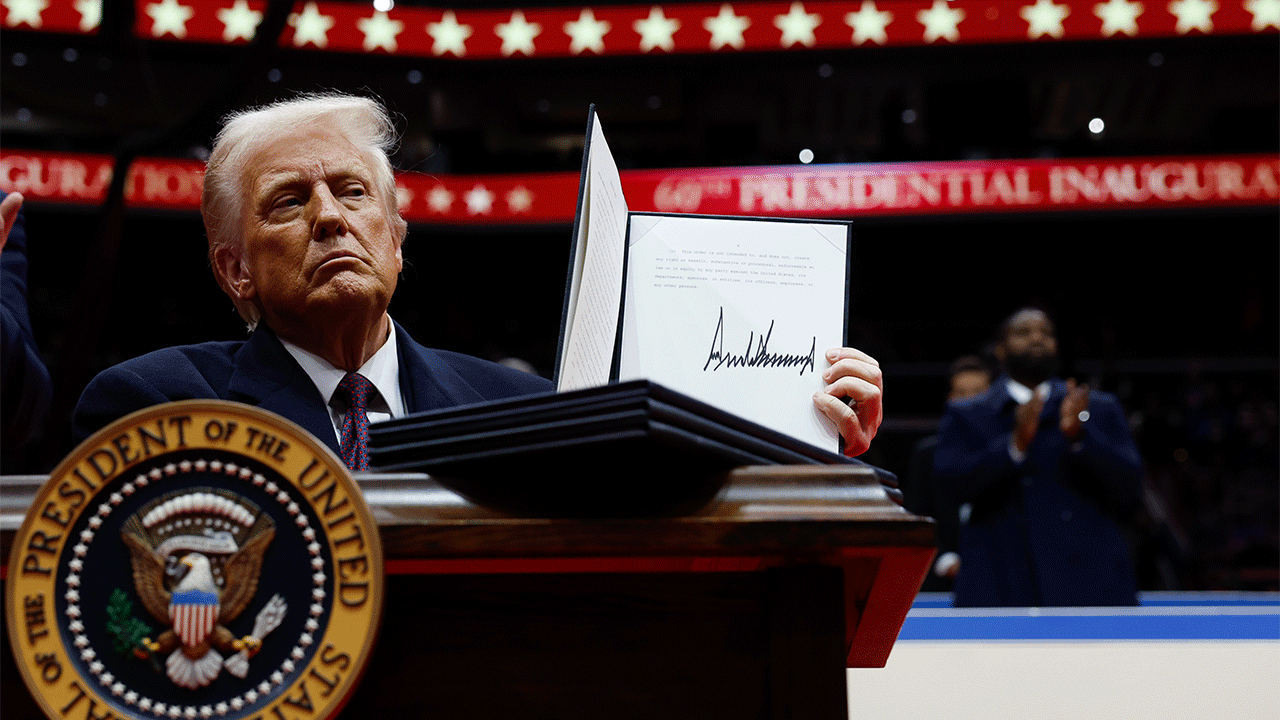



John Brennan is back in the paper chase, and the target is the paper that Washington hates to hand over: internal records from the Trump-Russia investigation era. The question is not just what exists. It is who gets to frame it first.
What You Should Know
According to Axios on July 1st, 2026, former CIA Director John Brennan filed a lawsuit seeking the release of government records connected to the Trump probe period. The suit adds fresh legal pressure to a long-running political fight over intelligence transparency.
Brennan, a former CIA director and a recurring villain in pro-Trump media, is trying to force the government to disgorge documents that could clarify, or complicate, how the investigation machinery moved in 2016 and 2017.
A FOIA Fight With a Trump Shadow
At its core, the dispute fits a familiar pattern: a high-profile figure uses the courts to pry loose records, while agencies lean on classification, privacy, and institutional caution. In a political climate where document dumps become campaign ammunition, the timing alone creates leverage.
For Trump-world allies, any Brennan-driven records hunt can be cast as a clean-up operation by the same national security class they accuse of engineering a narrative. For Brennan and his supporters, withholding records keeps the public stuck with selective leaks, partisan summaries, and insinuations.
The legal backdrop is already crowded with official critiques that both sides cite, often selectively. The Justice Department Inspector General reviewed the FBI’s Crossfire Hurricane investigation in a December 2019 report, detailing serious problems in how the bureau handled parts of its surveillance process, while not finding documentary proof of political bias as the driving force.
Then came Special Counsel John Durham’s final report, released in May 2023, which faulted the bureau’s handling of key steps and fed years of claims that the system was too willing to chase thin leads. Durham’s phrasing about “strict fidelity to the law” became a Rorschach test, either evidence of institutional rot or a narrow rebuke being inflated into a conspiracy.
What Happens if the Records Come Out
If Brennan’s lawsuit succeeds in producing new material, the consequences are less about a single revelation and more about sequencing. A new tranche can refresh cable chyrons, reshape committee hearings, and hand lawyers new talking points, even if the documents are heavily redacted.
The government also has its own incentives. Intelligence agencies guard sources and methods as a reflex, and past fights have shown how even mundane-sounding metadata can expose operational details. Still, over-classification claims are a bipartisan sport, and courts sometimes order releases that embarrass institutions without endangering anything real.
Watch for two pressure points next: whether the court forces a faster production schedule, and whether any releases arrive packaged with dueling interpretations from partisan operators. In this fight, the winner is often the side that tells the story first, not the side with the cleanest record.