

Donald Trump loves a headline-friendly promise, and few hit harder than rewriting who gets to be an American at birth. The problem is that birthright citizenship is not a campaign slogan. It is welded into the Constitution, and that weld has been tested before.
What You Should Know
Birthright citizenship is rooted in the 14th Amendment, which says people born in the United States and subject to its jurisdiction are citizens. Trump has said he wants to end it by executive action, a move that would almost certainly trigger immediate court fights.
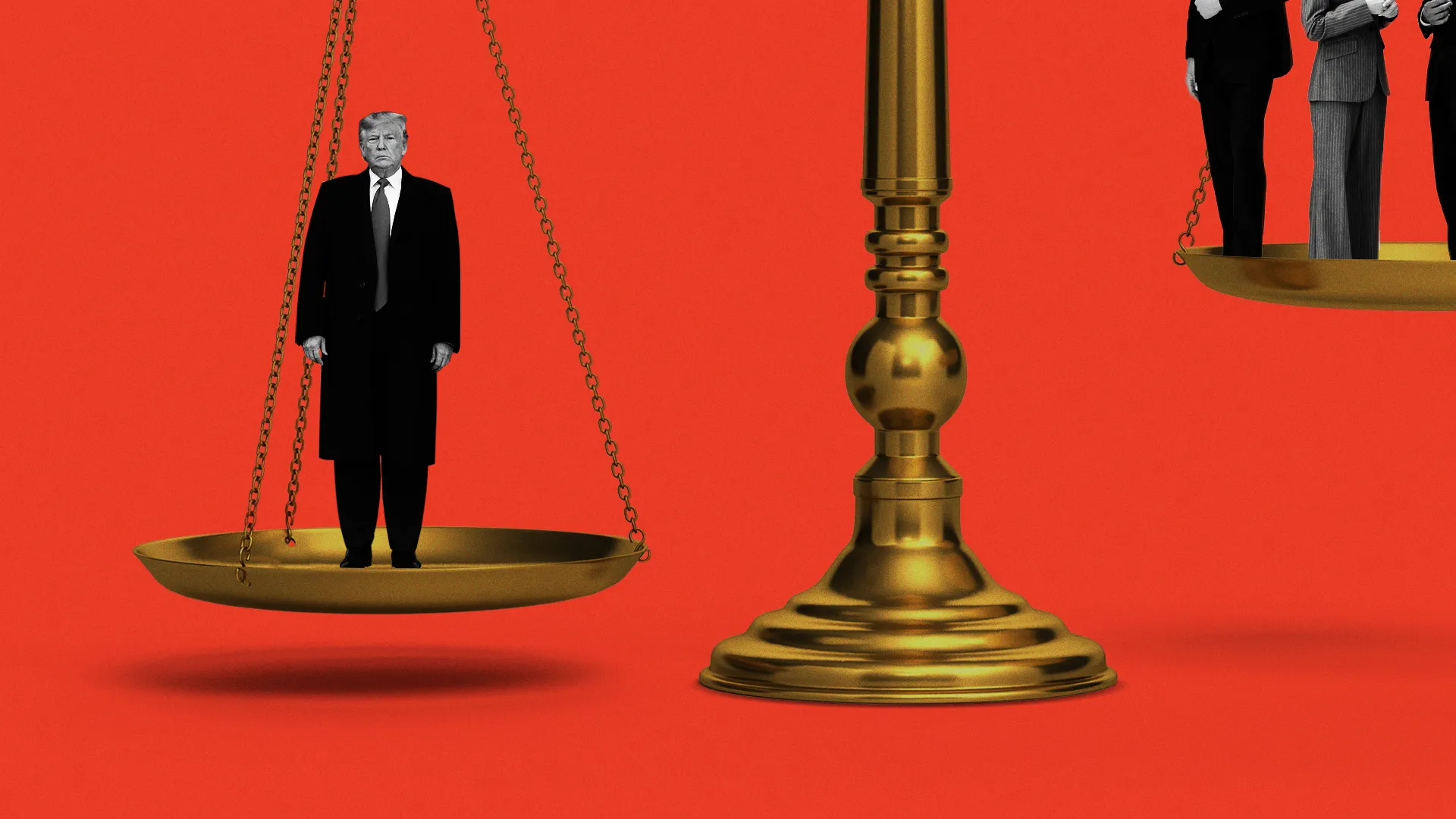
The latest flashpoint is an Axios report dated June 30th, 2026, which framed the Supreme Court as rejecting a Trump birthright-citizenship policy push. Even with limited details in the public conversation, the underlying clash is familiar: executive power versus constitutional text.
The 14th Amendment Problem
The 14th Amendment, ratified after the Civil War, was written to lock citizenship into a rule that could not be yanked around by politics. The National Archives summarizes the core line plainly: people born in the United States and subject to its jurisdiction are citizens.
That phrase, subject to its jurisdiction, is where the legal knife fight lives. But the Supreme Court has historically read birthright citizenship broadly, most notably in the 1898 case United States v. Wong Kim Ark, which has long been treated as the cornerstone for citizenship of children born in the United States to noncitizen parents who are not diplomats.
The Executive Order Pitch vs. the Court Record
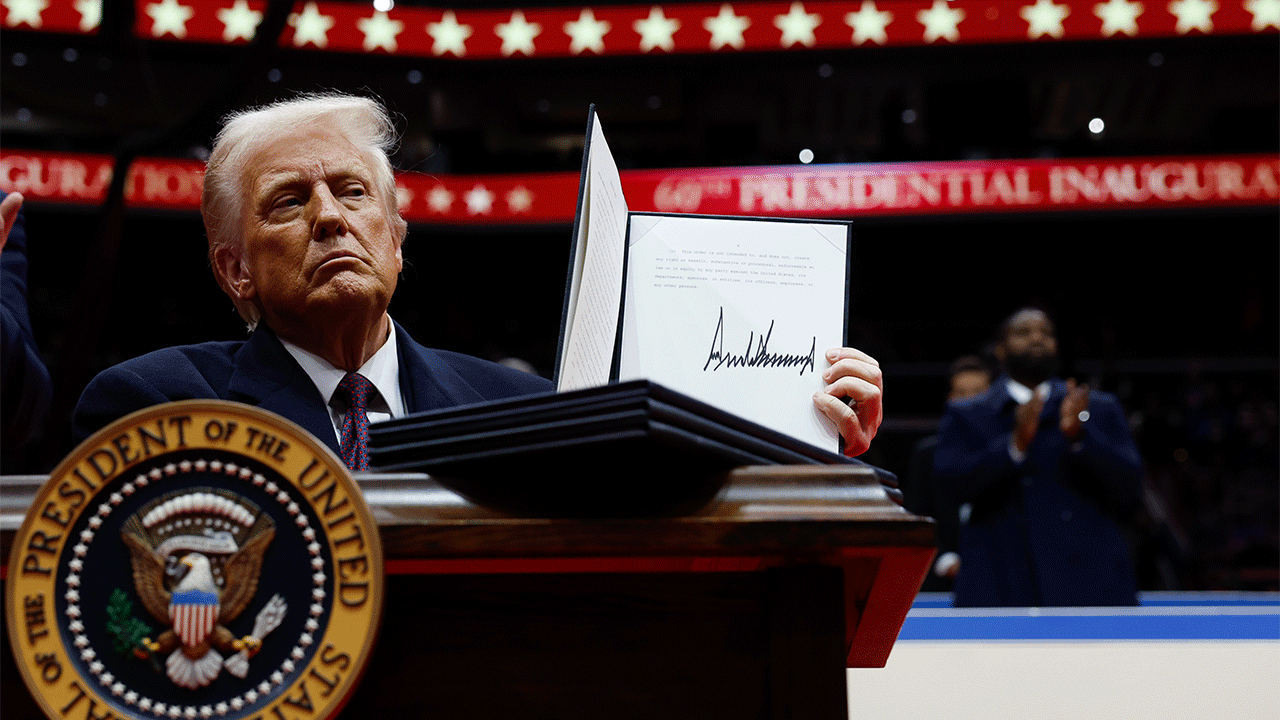
Trump has argued he could change the policy with executive action, and he has framed it as a cleanup job. In a 2018 interview with Axios, he said, “It has to end.”
That is the contradiction that keeps coming back. A president can direct agencies, tighten enforcement, and pick legal fights. However, an executive order cannot rewrite the Constitution, and it cannot erase a century-plus of doctrine without a judiciary willing to go along.
The Stakes, and the Escape Hatches
The power stakes are not abstract. If a White House could narrow citizenship by executive pen, it would shift leverage from Congress and the courts to the Oval Office, and it would inject instant uncertainty into hospitals, state vital-records offices, and federal benefit systems.
Politically, the promise functions as a loyalty test. It signals toughness to a base that wants maximum immigration restriction, while daring judges to be the ones who say no. The price of that dare is predictable: emergency lawsuits, injunctions, and a national argument over whether the country is governed by text or by will.
So when Axios describes the Supreme Court as a wall against the idea, it lands as more than process. It is a reminder that some parts of American identity are built to resist the news cycle, and candidates who promise otherwise still have to win two elections: the one at the ballot box, and the one in court.