

Donald Trump keeps selling a simple deal: cheaper gas, more drilling, and fewer rules. The harder question is who gets to write the fine print if he returns to power.
What You Should Know
Trump has pledged to expand domestic oil and gas production and unwind Biden-era climate rules, positions that align with major fossil fuel industry priorities. Public campaign rhetoric about lower prices collides with the complex forces that actually move energy markets.
The Hill’s opinion section framed the dynamic bluntly as Trump doing fossil fuel “favors.” The political stakes are obvious. Energy policy is not just about the pump. It is also about permitting power, regulatory leverage, and which industries get the White House’s ear first.
The Promise Is Simple, the Payoff Is Not
On the trail, Trump has argued that more production means lower prices, and he has pledged to speed up drilling approvals and open more federal areas to oil and gas development. His pitch is built for a campaign rally and a TV chyron.
Trump’s shorthand has been: “drill, baby, drill.”
But even if a president can influence leasing, permitting, and enforcement priorities, oil prices are set in a global market. A politician can make it easier to produce, but that does not guarantee drivers get a predictable discount, especially if exports rise and global supply shocks hit.
The Receipts Are in the Money and the Rules
If you want to see the power map, follow the cash. OpenSecrets tracks political spending by industry, including oil and gas, and its long-running data shows the sector is a major federal donor. That creates an incentive structure where access can look like policy, and policy can look like payback.
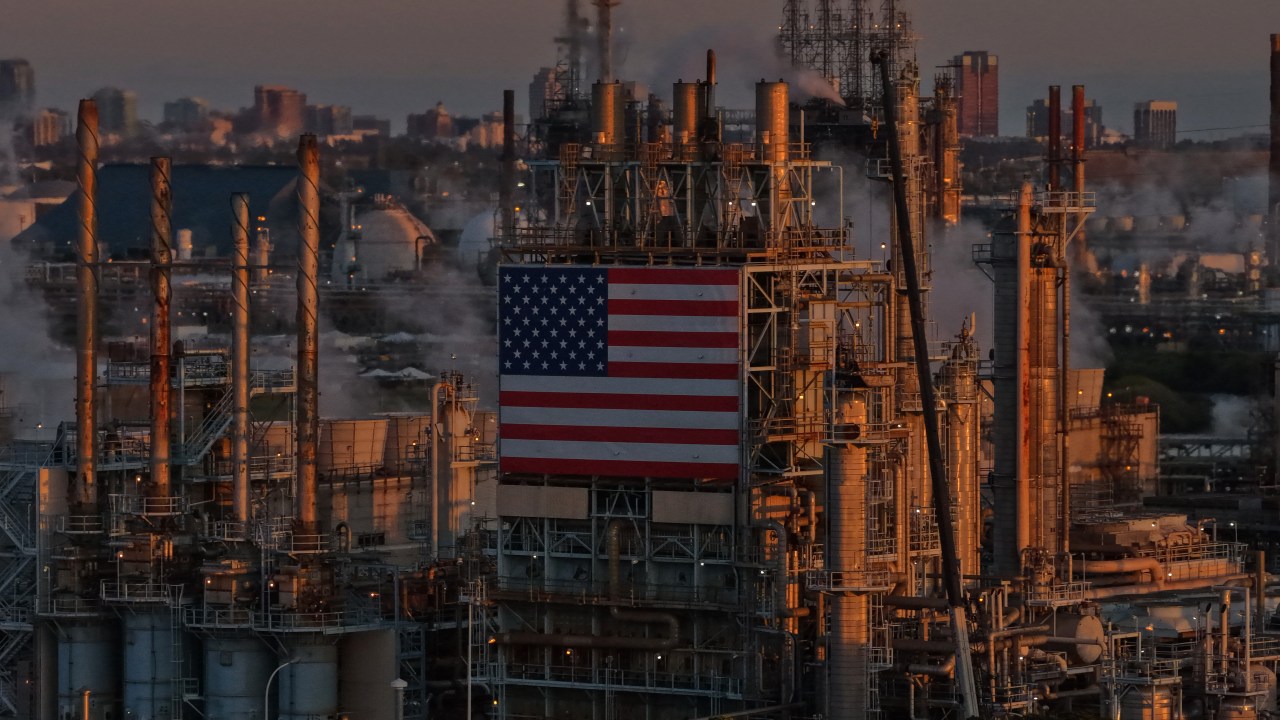
Then there is the regulatory target list. The EPA has moved to tighten methane rules for the oil and gas sector, a climate priority for Democrats and a cost center for producers. Trump, who has promised broad rollbacks of environmental regulations, is signaling a different enforcement posture, which is often where the real business impact lives.
The Numbers, and What to Watch Next
One awkward detail in the campaign messaging is that the United States has already been producing at historically high levels in recent years. The EIA’s production data undercuts the idea that America is simply not drilling, even as politicians argue about whether producers are being “unleashed” or restrained.
What to watch is not just a slogan about “energy dominance,” but the first set of decisions: who leads the EPA and the Interior Department, how quickly methane and other rules get revisited, and whether industry-friendly changes show up as formal rulemaking or quiet enforcement shifts.
If Trump’s pitch is that he is for consumers first, the paper trail that matters will be permits, exemptions, and fundraising patterns. The next fight will be over whether those moves translate into lower bills, or just a friendlier climate for the people already closest to power.