


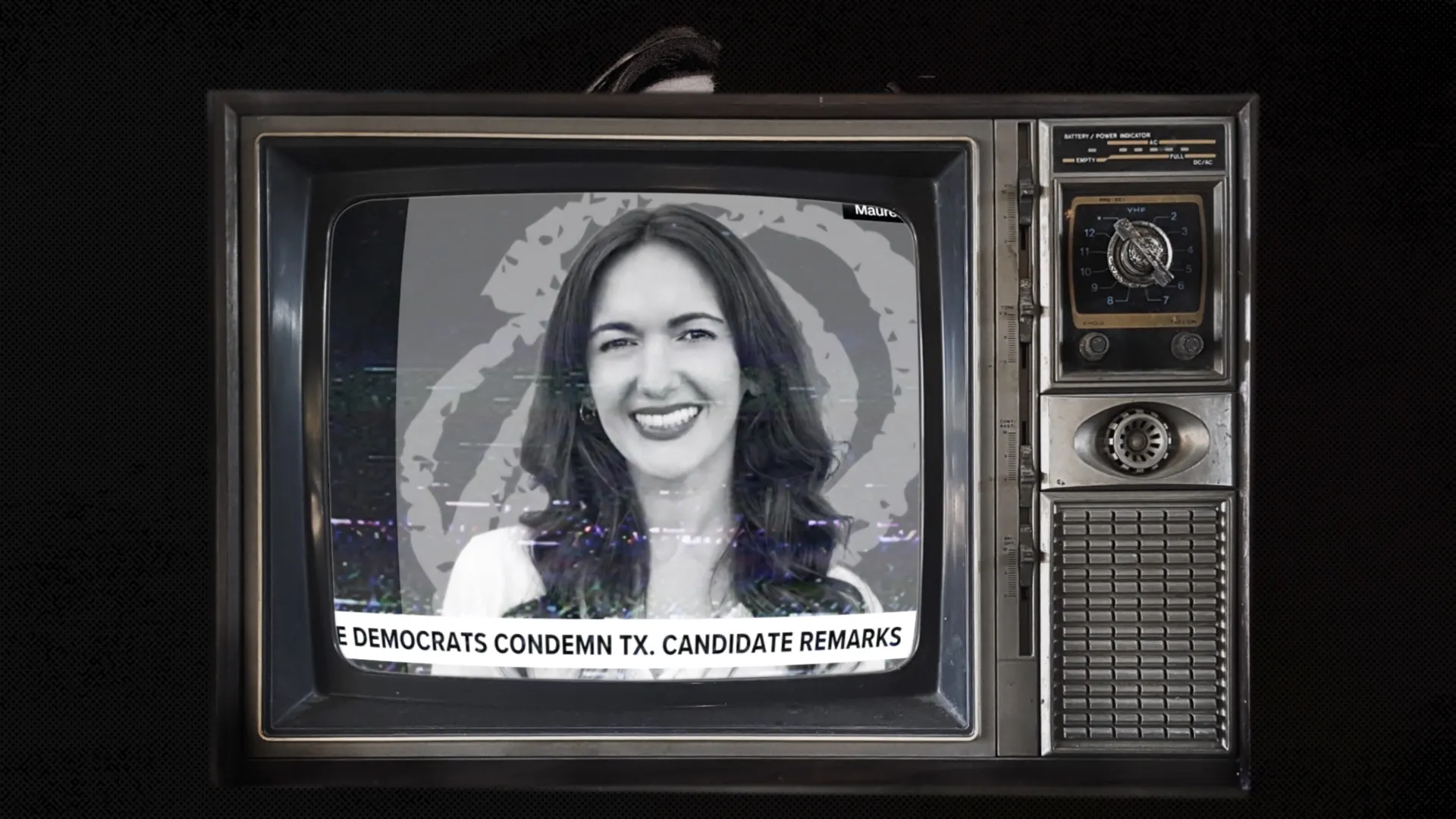
A national campaign committee can spin almost anything, until the problem is the person in the room that nobody wants to name. That is the corner the DCCC found itself in after an Axios report tied Texas therapist Maureen Galindo to antisemitism claims.
What You Should Know
Axios reported on May 22nd, 2026, that Maureen Galindo, a Texas therapist connected to Democratic campaign circles, faced antisemitism-related scrutiny. The report raised questions about vetting, oversight, and how fast political organizations cut ties when controversy hits.
The DCCC, the Democratic Congressional Campaign Committee, is not a think tank. It is a power machine built to win House seats, raise money, and keep candidates out of avoidable messes. When a vendor story goes public, it is rarely just about the vendor.
How a Vendor Story Becomes a Party Problem
According to Axios, Galindo became a focal point because of allegations and concerns described as antisemitism-related, with the DCCC pulled into the orbit through reported connections to campaign work. The immediate stakes are less about one individual and more about what the episode signals to donors, candidates, and outside groups watching for pattern and process.
There is also an inherently awkward contradiction at play: political organizations regularly promote zero-tolerance language on bigotry, but they also run on outsourced labor, fast contracting, and a constant churn of consultants. If the public message is airtight and the pipeline is porous, the gap becomes the story.
Campaigns also operate under a privacy fog that corporations and government agencies do not get to claim. Support services, mental health resources, and contractor relationships can be real, necessary, and sensitive, which means the public often sees only the rough outline, while insiders argue over details behind closed doors.
The Vetting Question That Does Not Go Away
In practice, vetting is not one thing. It is a mix of compliance checks, reputation scans, and judgment calls about what is disqualifying, what is explainable, and what is too risky to touch in an election year when opposition research is a business model.
“Antisemitism is a certain perception of Jews, which may be expressed as hatred toward Jews.” (International Holocaust Remembrance Alliance working definition, as published by the U.S. Department of State)
That definition is not a verdict on any one allegation, but it shows why these disputes escalate so quickly: the line between protected speech, offensive speech, and disqualifying conduct gets litigated in public, usually at the worst possible time for the institution being asked to explain its choices.
The broader backdrop is grimly straightforward. The Anti-Defamation League has reported elevated levels of antisemitic incidents in its annual audits, and political groups, including both parties, have treated antisemitism as a live political and security issue with real-world consequences.
What to watch next is whether the DCCC (or allied organizations) offers a clear account of what was known, what was reviewed, and what standards apply to vendors who touch sensitive work. In modern campaign combat, silence is rarely neutral, and process is the only thing that can compete with the headline.