

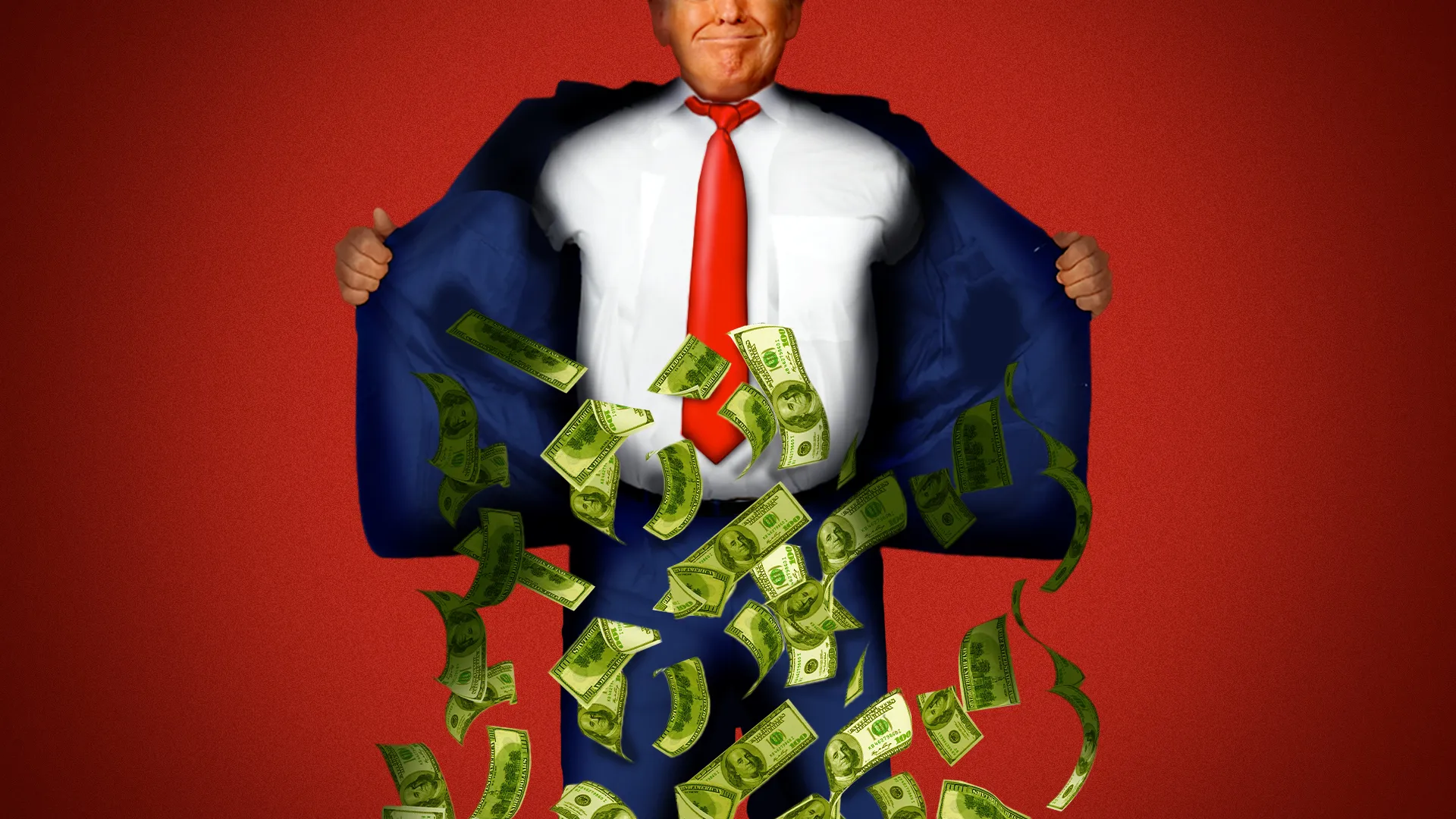
Presidents sell influence in a thousand legal ways. The mess starts when the influence is also a ticker symbol, a crypto wallet, or a tax question that can swing with one headline.
What You Should Know
An Axios report published May 22nd, 2026, focused on how Donald Trump’s personal finances intersect with market-priced assets, including stocks and crypto-related ventures, while also pointing to the IRS scrutiny that comes with presidential taxes.
Trump built his political brand on dominance, leverage, and dealmaking, then carried that posture into the White House without the clean break voters usually expect. He has long argued that his business success is proof of competence, while critics argue it is exactly what creates conflicts.
The Money Trail Problem
Unlike a blind trust stuffed with mutual funds, market-linked assets create a live scoreboard. If the public can watch a valuation bounce in real time, every announcement, investigation, and court milestone becomes part politics and part price signal.
That is the heart of the tension Axios highlighted. When personal wealth is tied to publicly traded stock, licensing arrangements, or ventures that thrive on attention, the line between governance and brand management gets easier to blur and harder to audit.
Crypto adds another layer because pricing can be fast, thinly explained, and driven by narrative. Even without any allegation of illegal conduct, the optics get complicated quickly: a president speaks, the market moves, and the question becomes who knew what, and when.
Where the IRS Shows Up
Taxes are the other pressure point because the IRS is not just a background agency in a president’s life. The Government Accountability Office has scrutinized the IRS’ mandatory presidential audit program, including whether the agency consistently documented and executed its planning the way the policy requires.
Meanwhile, the legal frame around conflicts is often narrower than the political one. Federal criminal conflict-of-interest law, 18 U.S.C. Section 208, is titled “Acts affecting a personal financial interest,” and its existence is why presidents and candidates get drilled, publicly, about what they own and what decisions they touch.
The Politics of Proof
For Trump’s opponents, the playbook is straightforward: tie every financial upside to public power and demand receipts. For Trump’s allies, the counter is just as blunt: he is already famous, already wealthy, and already targeted, so the scrutiny is framed as politics by other means.
What to watch is not a single bombshell, but the grind. Disclosures, valuations, audits, and watchdog complaints are slow, document-heavy mechanisms, and they collide badly with assets that trade on momentum. If Trump’s finances keep shifting with markets, the presidency keeps being forced to face the same question: is this public service or a business model?