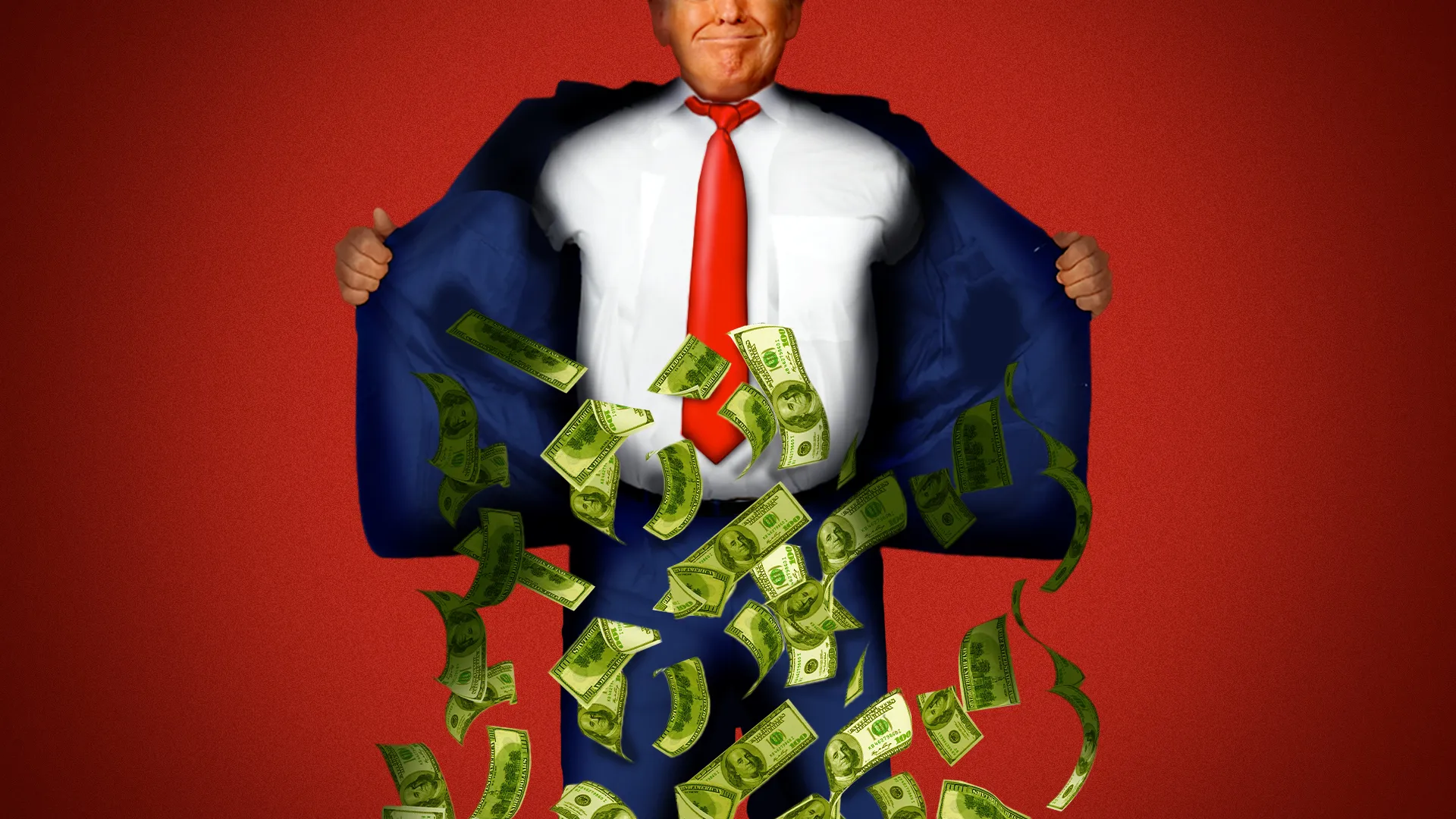



In Trump-world, the word “weaponization” is not just a grievance. It is a product, and somebody is selling it under ballroom lights.
What You Should Know
Axios reported on May 22nd, 2026, that a Trump-aligned fundraising effort is being pitched around fighting government “weaponization.” Federal Election Commission rules allow political committees to pay some legal bills, but they prohibit converting campaign funds to personal use.
The reporting hook is simple: a movement that says it is battling political power is also building its own high-dollar apparatus to wield power. The stakes are not abstract. Money raised in this lane can shape messaging, staffing, and legal strategy.
Axios described a fundraising pitch that leans into the idea that the federal government has been turned into a political weapon. That framing does two jobs at once. It rallies supporters around a shared enemy, and it makes donating feel like participation in a counteroffensive.
How ‘Weaponization’ Turned Into a Donor Pitch
Trump has used the theme for years, and it is built for receipts-free speed. You do not have to win an argument in court to win a news cycle, and you do not have to prove a conspiracy to sell a sense of siege.
It also fits the core contradiction of modern political fundraising: campaigns cast themselves as outsiders while operating like institutions. The ballroom, the guest list, and the pay-to-be-close structure are not side details. They are the point, because access is what high-dollar donors are buying.
The Money Trail, and the Awkward Overlap
Here is where the mechanics matter. Political committees can spend money on a wide range of expenses, including some legal fees, but the rules tighten fast when spending starts to look like personal benefit. The Federal Election Commission puts it bluntly: “Campaign funds may not be converted by any person to personal use.”
That bright line creates a practical pressure point for any brand built around victimhood and legal combat. The pitch is political. The consequences are legal and financial. And every new ask invites the same question from critics: Is the money building a campaign, paying lawyers, rewarding allies, or doing all three?
Supporters argue that the fundraising is transparent and constitutes legitimate political organizing, especially when donors believe that prosecutions and investigations are politically motivated. Critics argue the rhetoric is engineered to keep cash flowing, even as the legal realities remain complicated, and the public messaging stays maximalist.
What to Watch Next
Watch for two tells: whether the “weaponization” brand expands into more committees and events, and whether regulators, opponents, or watchdogs start challenging how the money is described versus how it is spent. In a movement that runs on loyalty tests, the ballroom is not just decoration. It is a control room.