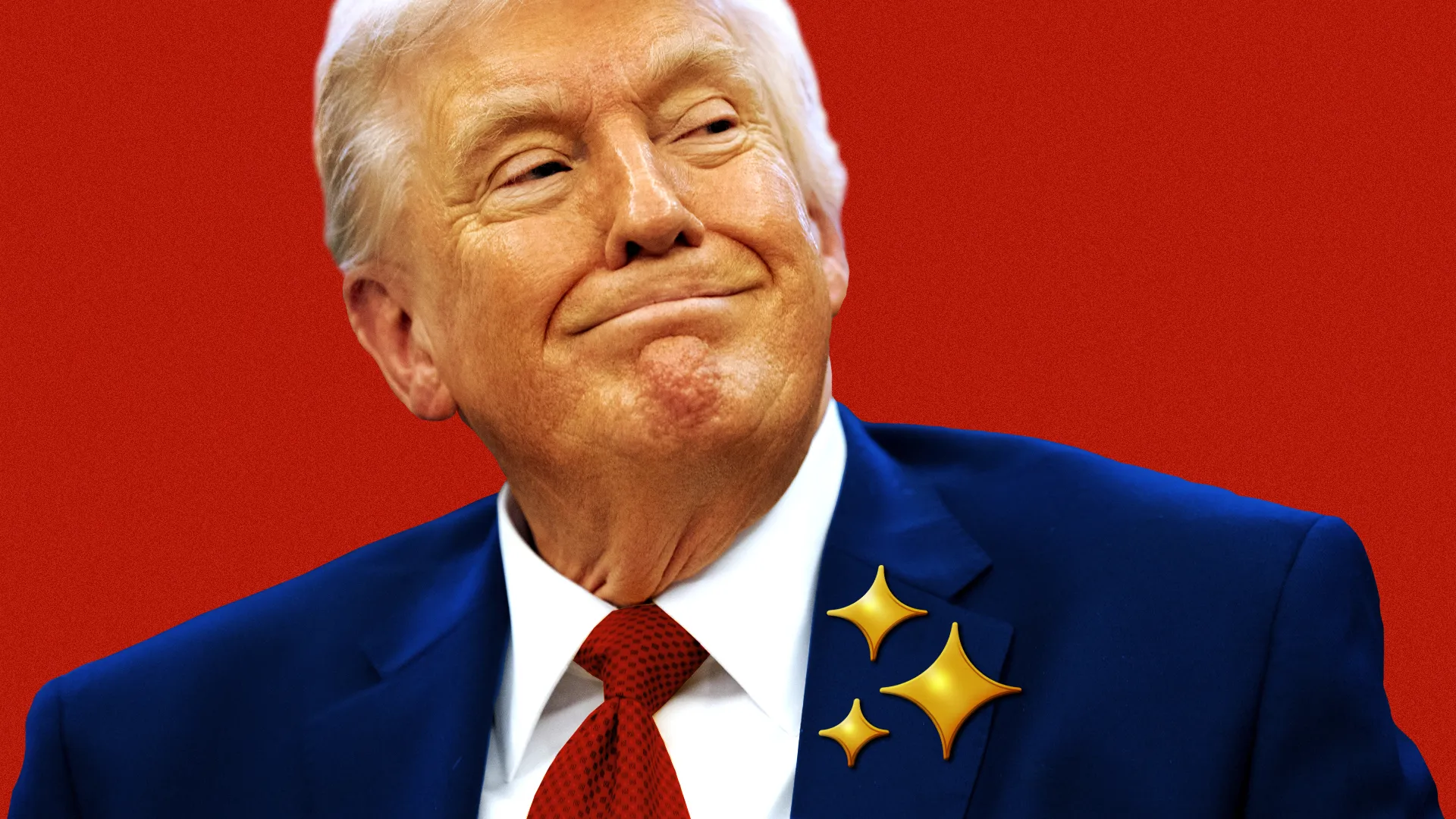


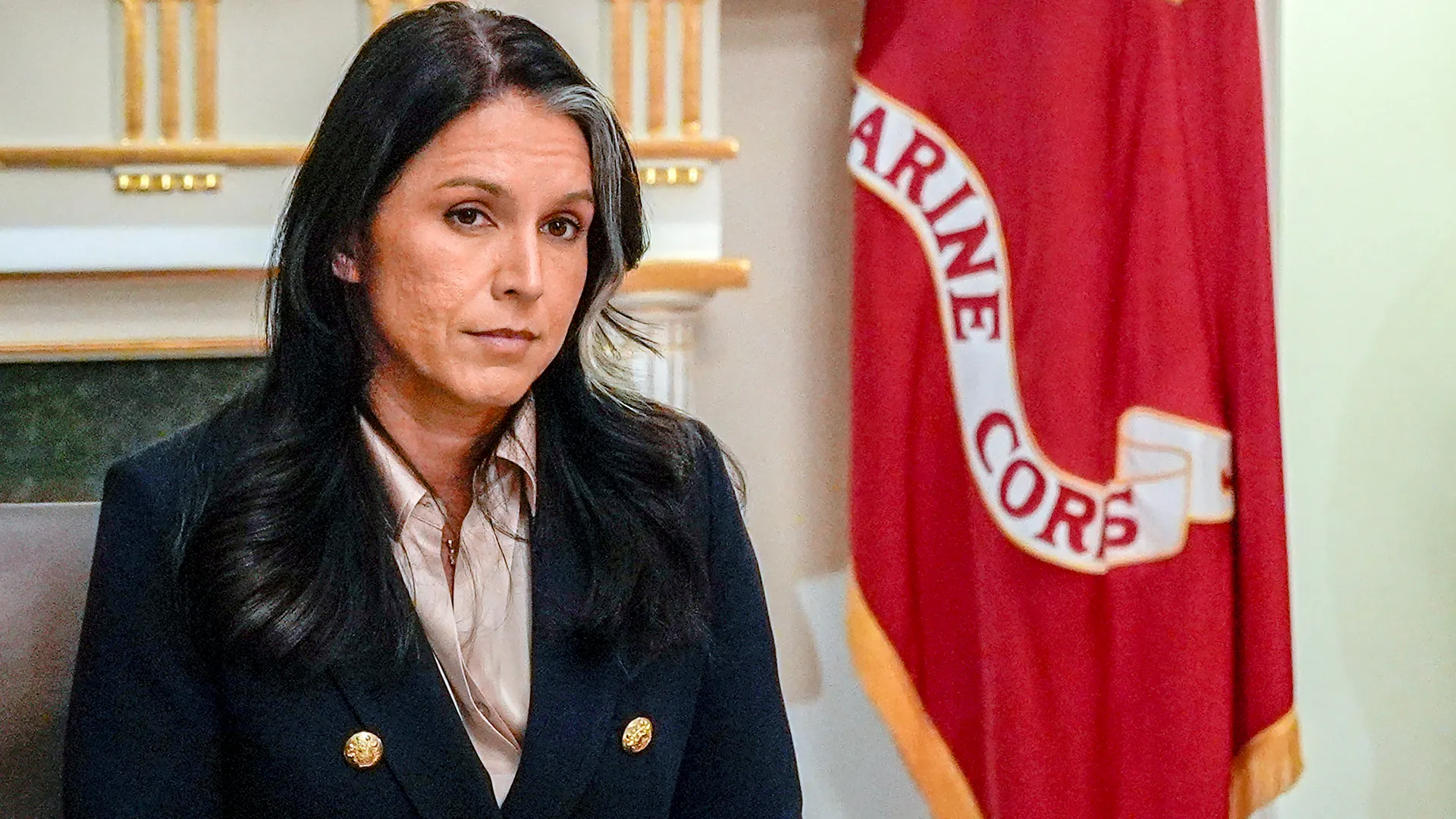
In Trumpworld, the job title is often the least interesting part. The real question is who gets to stay in the room when the camera is off.
What You Should Know
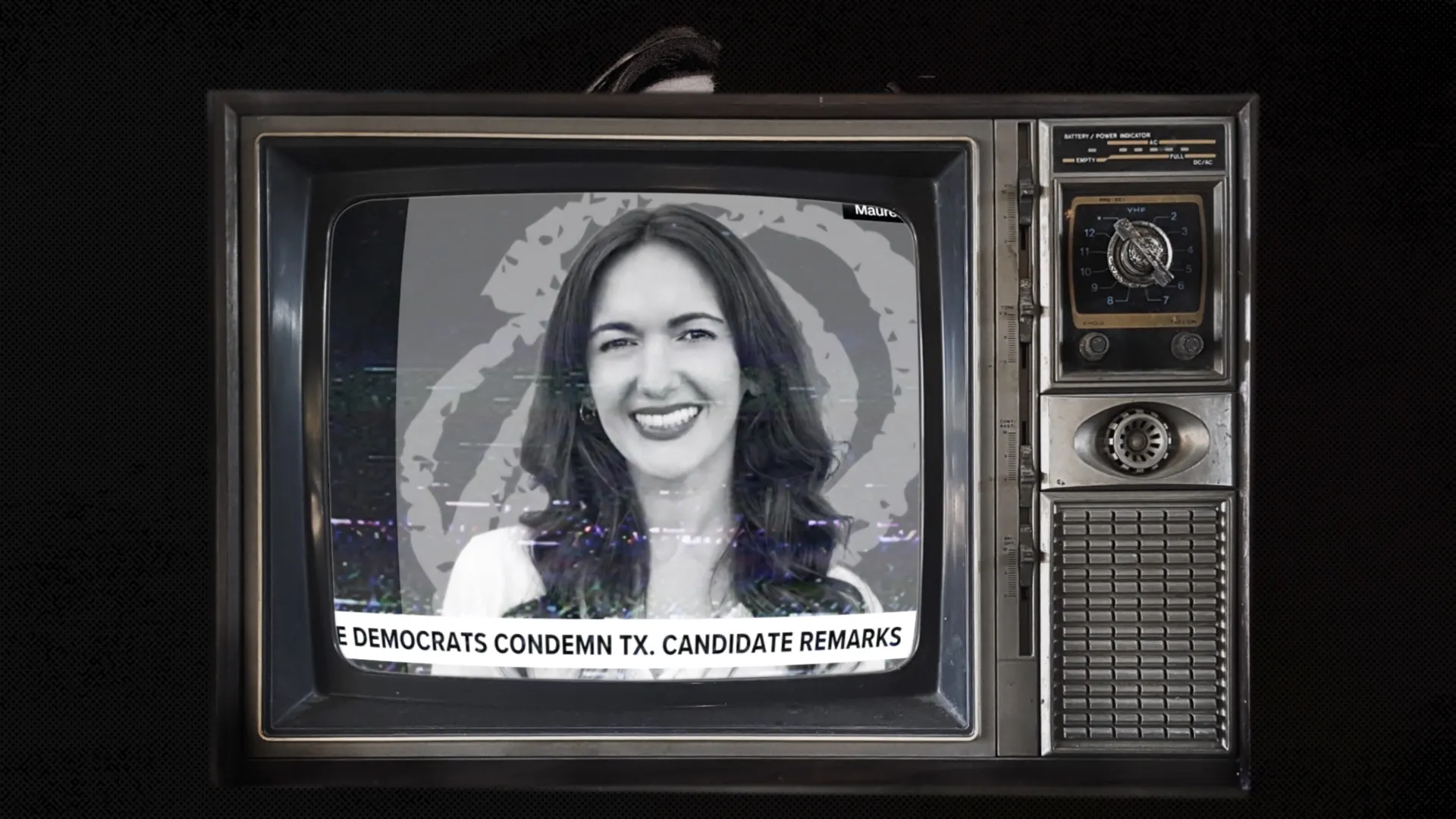
Axios reported on May 22nd, 2026, that Tulsi Gabbard was removed from a Trump administration role. Gabbard is a former Hawaii congresswoman whose national profile has long mixed anti-establishment branding with unusually fluid partisan alliances.
Gabbard, a four-term member of the U.S. House, has spent years building a political identity that does not sit neatly inside either party’s hierarchy, according to congressional records. That independent streak can be an asset in media, but it can become a liability in an administration that prizes message discipline and personal loyalty.
The Loyalty Math
Axios framed the development in blunt terms, saying Gabbard was “removed from the Trump administration.” Even without a full public accounting of the internal deliberations, the wording points to a familiar dynamic: power in these circles is often exercised through access, assignments, and sudden exits, not lengthy explanations.
The practical stakes are not small. Being “in” signals influence to donors, TV bookers, policy factions, and ambitious allies looking for a lane. Being “out” can turn a would-be surrogate into a free agent overnight, with every past appearance, clip, and quote reinterpreted as either foresight or disloyalty.
Gabbard’s Brand, Trump’s Brand
Gabbard’s public resume is straightforward on paper, and unusually portable in politics. Congress.gov records show she represented Hawaii in the House for multiple terms, a credential that still matters in Washington even when it is paired with an outsider persona.
That portability is also the tension. A figure who can move between audiences can be valuable for expanding a coalition. However, the same figure can trigger suspicion in any operation that runs on faction management, where every statement is assessed for whether it helps the leader, a rival, or only the speaker.
This is where contradictions pile up. Gabbard’s pitch has often centered on independence from party leadership and entrenched institutions, while a Trump-centered power structure tends to revolve around a single political brand, a single media feedback loop, and a single test of allegiance. Those models can coexist briefly, and then collide when messaging, staffing, or strategy gets tight.
What To Watch Next
The next tell will be whether this “removal” looks like a clean break, a quiet reassignment, or a public reconciliation dressed up as “moving on” to the next mission. In Trumpworld, the story is rarely the exit itself. It is who benefits from the exit, and who gets to claim they saw it coming.