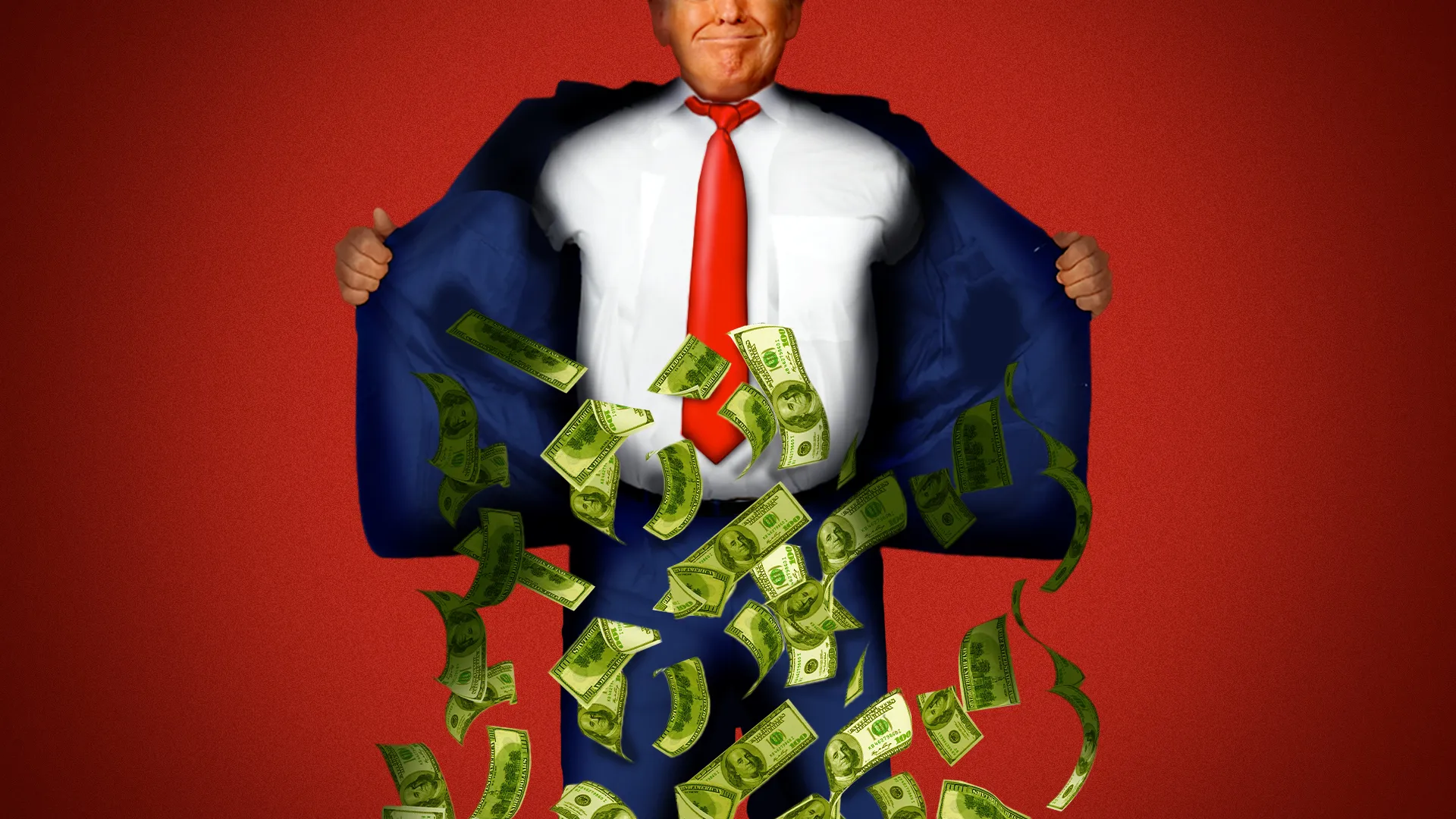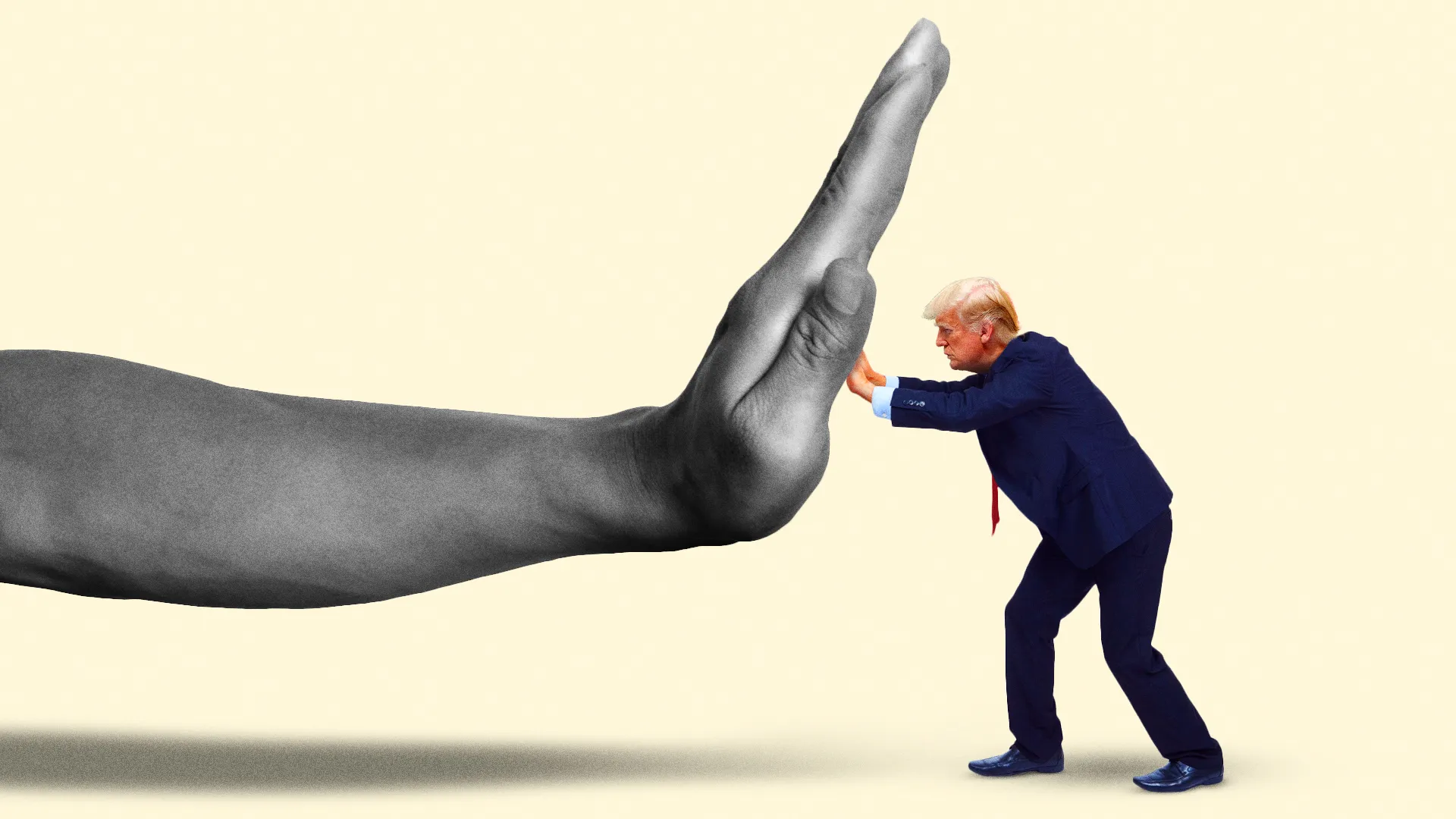


The White House had a shiny AI moment on the calendar. Then it did what Washington does best when the stakes get messy. It slipped the date.
What You Should Know
Axios reported on May 21st, 2026, that the White House postponed a planned signing of an artificial intelligence executive order. No new signing date was reported in that item, leaving the substance and the timeline as the open questions.
The postponement matters because executive orders are not just symbolism. They can steer agency rulemaking, procurement, and enforcement priorities, which means an extra week of quiet can be worth a year of public messaging.
The Delay That Tells Two Stories
According to Axios, the signing was pushed back. In a town where calendars are weapons, a delay can mean anything from unfinished legal review to a late surge of stakeholder pressure that nobody wants to talk about on camera.
That is the power dynamic: the public sees a pen ceremony, while the real leverage lies with the agencies that must implement the order, the companies that will be regulated by it, and the lawmakers ready to treat any AI move as a campaign prop.
Even without details of what changed, the timing squeeze is familiar. AI policy touches national security, labor, consumer protection, and competition, and those interests do not line up neatly enough to fit inside one photogenic signing event.
What The Last AI Executive Order Actually Did
There is also a recent precedent for what a White House AI order tries to do. The White House published a sweeping AI executive order in October 2023 that directed federal agencies to move on safety evaluations, standards, and various reporting requirements.
In the White House fact sheet for that 2023 order, the administration framed its approach in plain terms: “The Executive Order establishes new standards for AI safety and security.” The Federal Register publication of the order underscored the same basic reality: big claims during the rollout, then a long implementation grind within the bureaucracy.
What To Watch Next
Watch for three tells: whether the White House reschedules quickly or lets the date drift, which agencies get highlighted as implementers, and whether the final language reads like a hard directive or a cautious set of study-and-report instructions. When a signature gets postponed, the next version often reveals who won the offstage argument.