

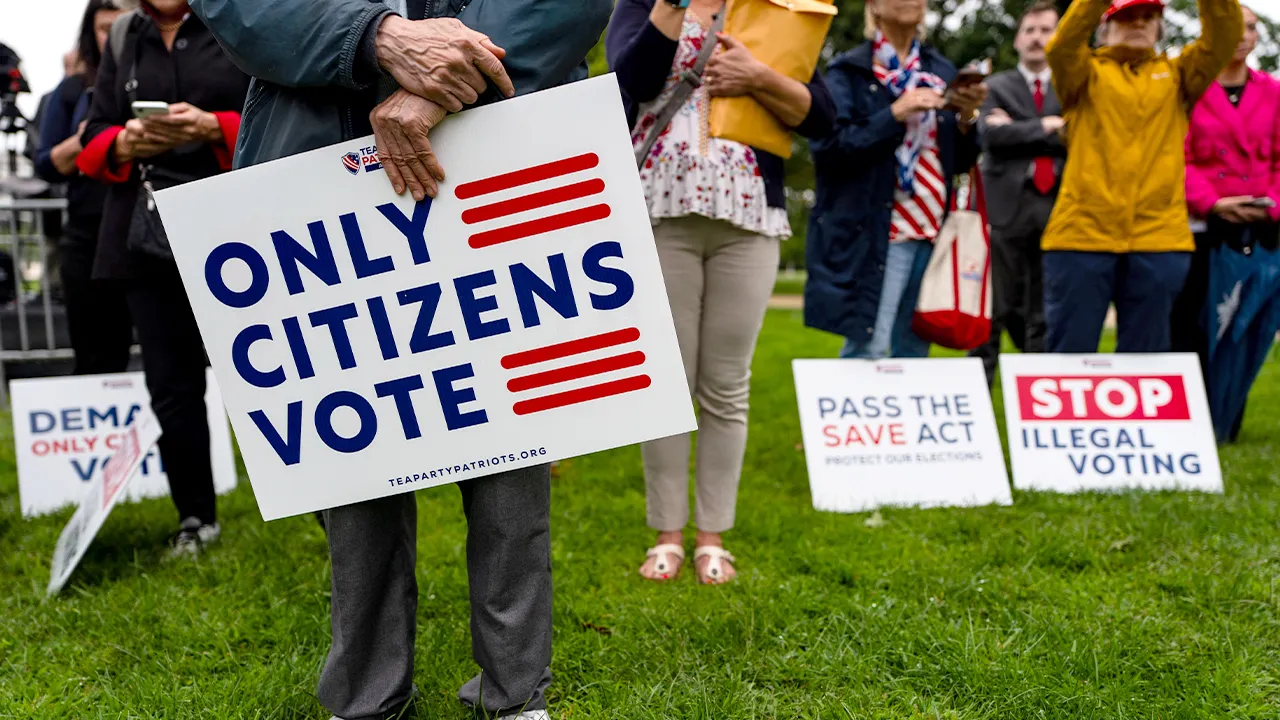
House Republicans have a familiar problem with election bills. The headline is simple, but the fine print and the vote math keep turning a party message into a legislative traffic jam.
What You Should Know
House Republicans have pushed the Safeguard American Voter Eligibility (SAVE) Act, which would require documentary proof of U.S. citizenship to register for federal elections. The measure has faced questions about implementation and long odds in the Senate.
The SAVE Act has been framed by supporters as a clean, commonsense line: prove citizenship, then vote. However, the bill’s path has repeatedly collided with two hard realities: the Senate’s 60-vote threshold and the administrative mess of turning a federal mandate into local paperwork.
Why the SAVE Act Keeps Hitting the Same Wall
One reason Republicans get stuck is structural. A House majority can pass a party-line bill, but Senate rules typically require broader buy-in for most legislation, and election policy is where bipartisan coalitions go to die.
Another problem is that the behavior the bill targets is already a crime in federal elections. Under 18 U.S.C. Section 611, “It shall be unlawful for any alien to vote in any election held solely or in part for the purpose of electing a candidate for” federal office, with limited exceptions spelled out in the statute.
What the Bill Would Change, and Who Would Feel it
The SAVE Act is not mainly about creating a new crime. It is about shifting the front door. According to Congress.gov’s bill summary, the measure “requires individuals to provide documentary proof of U.S. citizenship when registering to vote in federal elections.”
That sounds neat until it lands on county election offices that already run on thin staffing and uneven technology. The compliance burden would not fall on Washington. It would fall on thousands of local officials who would have to decide what documents count, how to handle name changes and missing records, and what to do when applicants cannot quickly produce paperwork.
The Legal Backdrop Republicans Cannot Wish Away
Federal voter registration has been fought in court for years, and the Supreme Court has weighed in on how far states can go when the federal form is involved. In Arizona v. Inter Tribal Council of Arizona, Inc., the Court held that the National Voter Registration Act can preempt state demands that go beyond what the federal registration form requires.
That backdrop matters because it turns a political pledge into a legal and operational chess match. Even if the House muscles a bill through, the next fights can shift to agency rulemaking, lawsuits, and practical enforcement, where slogans do not run the calendar.
For House Republicans, the stakes are political as much as procedural. The SAVE Act can function as a party-unity vote and a campaign signal, but its biggest test is whether the party can translate a national message into a policy that survives the Senate and works in real election offices.
References