

Everybody in politics complains about big money. Then the next Supreme Court campaign finance fight shows up, and the same players who swear they want reform quietly lawyer up to protect the cash spigot.
What You Should Know
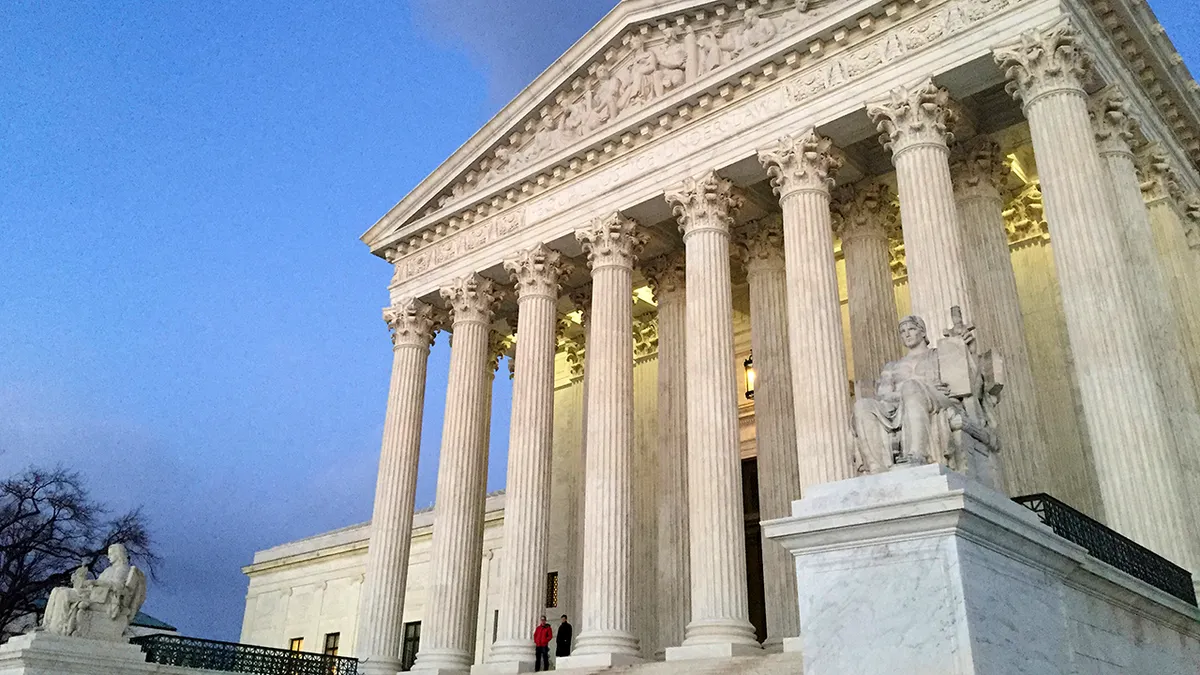
The Supreme Court has repeatedly ruled that political spending is closely tied to protected speech, limiting how far governments can cap campaign-related money. Those decisions have reshaped fundraising strategy for candidates, parties, and outside groups across federal and state races.
The modern tension is simple: elected officials talk like they want the influence of money reduced, but they operate inside rules written by a Court that has been skeptical of spending limits for nearly 50 years.
Why Spending Limits Keep Losing
The framework starts with Buckley v. Valeo in 1976, the case that drew a hard line between contribution limits (more likely to survive) and spending limits (far more vulnerable). According to Oyez, the Court treated spending restrictions as a direct burden on political expression.
That philosophy did not fade with time. In Citizens United v. Federal Election Commission in 2010, the Court expanded protections for independent political spending, and it framed the stakes in blunt First Amendment terms.
The opinion included one line that has become a warning label for regulators: “If the First Amendment has any force, it prohibits Congress from fining or jailing citizens, or associations of citizens, for simply engaging in political speech.” That language, pulled from the Court itself and summarized by Oyez, is why many spending cap proposals arrive in court already on the defensive.
The Contradiction Both Parties Live With
Here is the part that makes reform politics so slippery. Candidates denounce super PACs, dark money, and endless ads, but they also benefit when allied groups spend freely and fast in the closing weeks of a race.
Meanwhile, the Court has continued to narrow restrictions around the edges. In McCutcheon v. Federal Election Commission in 2014, the justices struck down aggregate limits on how much an individual could give in total to federal candidates and committees, even while leaving base contribution caps in place, according to Oyez.
And in Federal Election Commission v. Ted Cruz for Senate in 2022, the Court sided with a challenge to limits on repaying candidate loans with post-election contributions, a niche rule with a clear real-world payoff. If a candidate can float a campaign loan and later get repaid, the campaign’s financing toolbox gets bigger, and the risk calculus changes.
What to Watch Next
The next battlefield is not just Congress. States and cities keep experimenting with tighter rules, and outside groups keep testing how far those rules can go before a federal court steps in.
Watch for a familiar pattern: reformers pitch caps as anti-corruption, opponents frame caps as censorship, and campaigns prepare for both outcomes by building parallel funding channels. The Court’s past logic means the smartest money in politics often bets on fewer limits, not more.