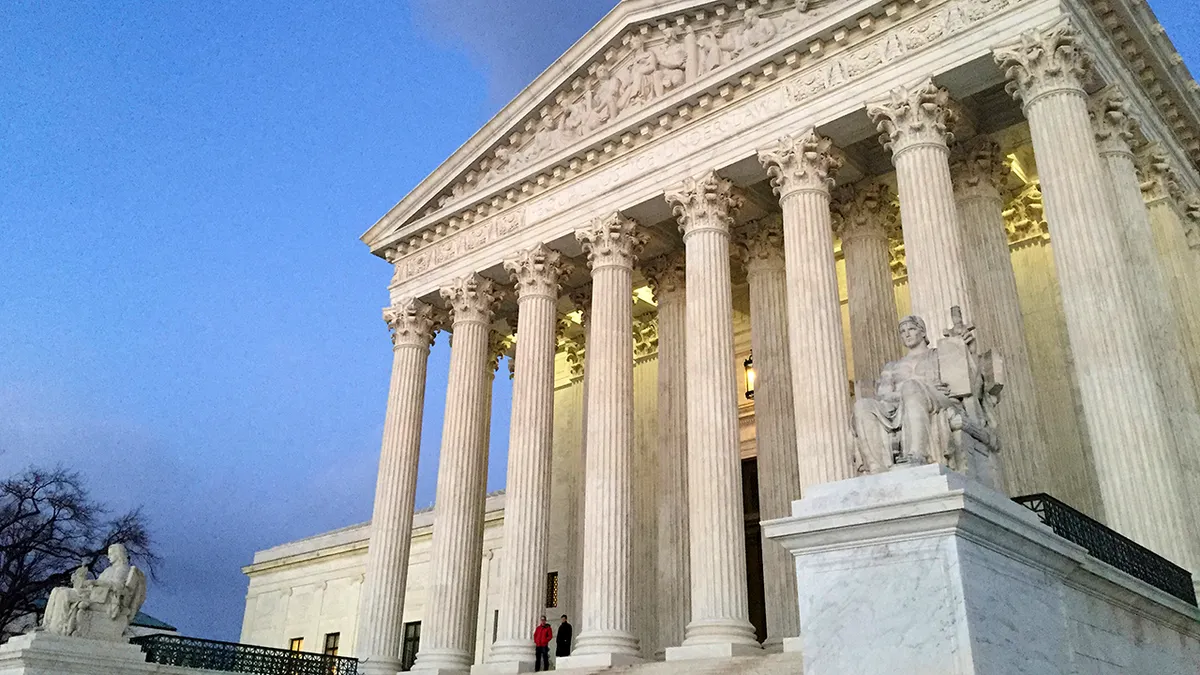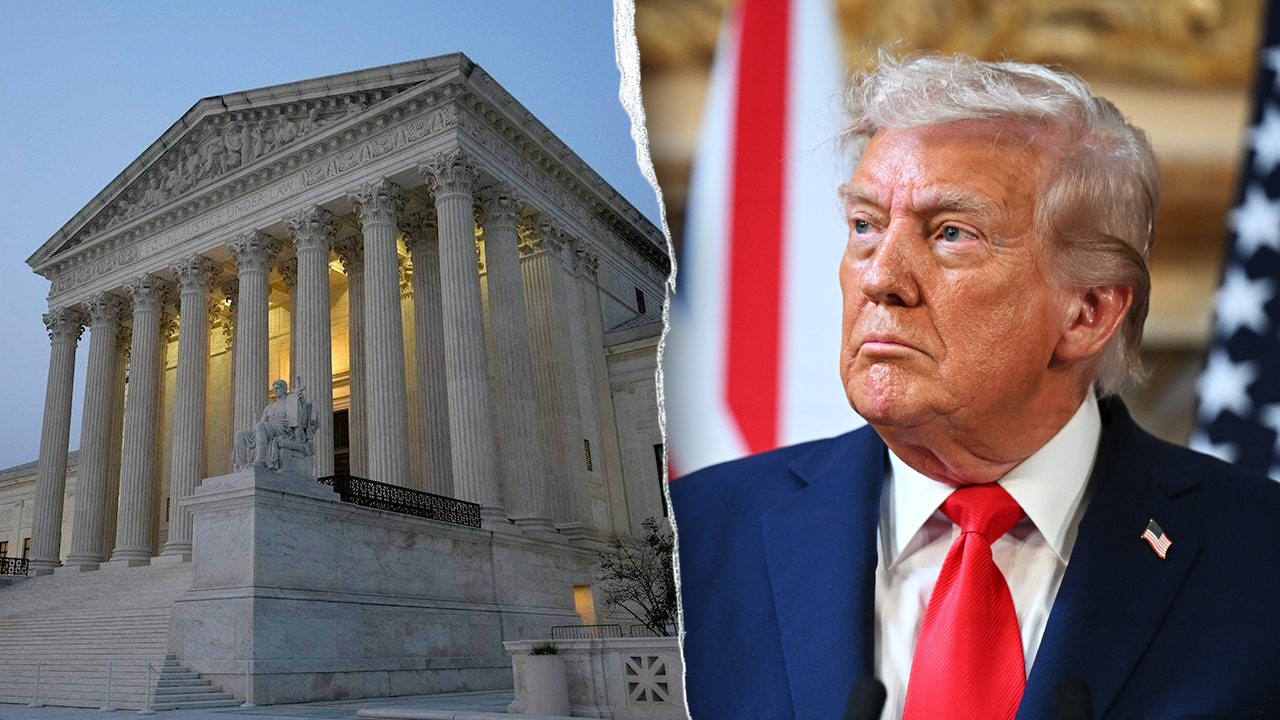


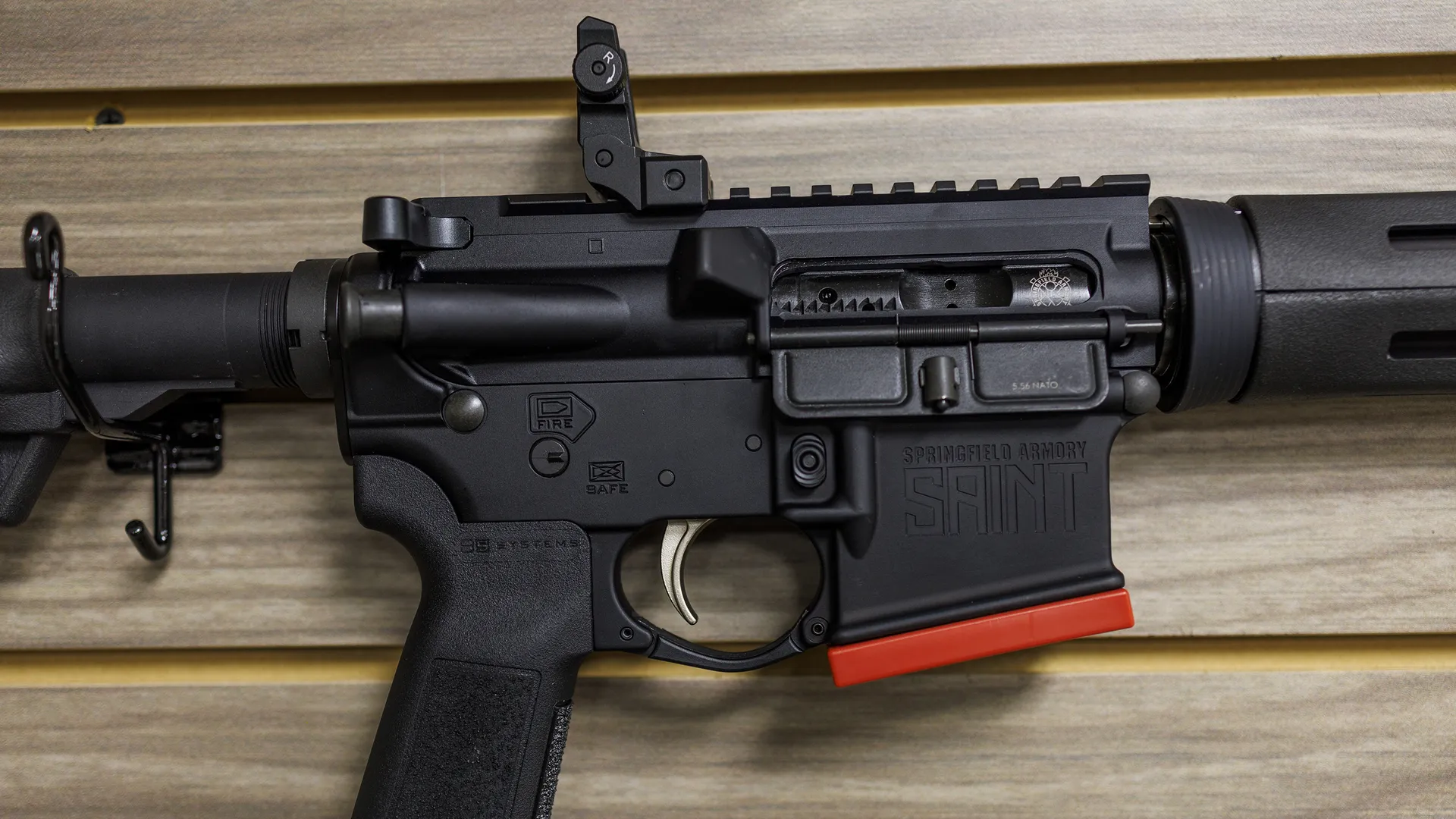
The Supreme Court has a habit of speaking loudly about the Second Amendment, then going quiet when the fight turns to AR-15-style rifles. A Chicago-area dispute is now testing how long that silence can hold.
What You Should Know
A Supreme Court petition connected to Chicago-area limits on semiautomatic rifles has put so-called assault-weapon bans back on the justices’ radar. The Court has expanded gun rights standards in recent years but has not issued a definitive ruling on AR-15-style bans.
The latest spark came from reporting that framed the question plainly: will the Court finally take a case targeting bans on semiautomatic rifles, including AR-15s, in and around Chicago?
The Post-Bruen Test Is the Real Weapon Here
The modern pressure point is the Supreme Court’s 2022 decision in New York State Rifle & Pistol Association v. Bruen, which rejected the old balancing tests many courts used for gun laws and replaced them with a history-focused standard.
Bruen’s majority wrote: “When the Second Amendment’s plain text covers an individual’s conduct, the Constitution presumptively protects that conduct.” That single line has become a legal battering ram for gun-rights plaintiffs, and a tactical problem for cities defending bans.
Chicago Sits at the Intersection of Law and Symbolism
Chicago is not just another dot on the map in Second Amendment litigation. It is the city at the center of McDonald v. Chicago, the 2010 case that applied the Second Amendment to state and local governments, supercharging local gun-policy fights nationwide.
That history turns any new Chicago-linked AR-15 challenge into more than a technical dispute. For gun-rights groups, it is a chance to force the Court to say whether rifles that are widely owned can be banned as a category. For city leaders, it is a public safety argument with high political stakes, especially after years of mass shooting headlines that often involve similar weapons.
Why the Court’s Silence Matters More Than a Single City Ban
Lower courts have been wrestling with how to apply Bruen to semiautomatic rifle bans, and the results have varied. That is the kind of split the Supreme Court often says it exists to resolve. However, the justices have also shown a preference for letting these disputes percolate, even as litigants beg for clarity.
That delay produces a familiar power dynamic: local governments and state legislatures write rules that survive or fail based on geography, while national advocacy groups shop for the most favorable court. The practical consequence is a patchwork where the same rifle can be legal in one jurisdiction and prohibited in another, with criminal penalties hanging on the ZIP code.
What to watch next is not just whether the justices take a Chicago-linked case. It is whether the Court is ready to define what counts as a protected “arm” after Bruen, and what kinds of bans, if any, can still fit inside the Constitution’s history test.
References