

Donald Trump does not need a new policy platform to dominate a midterm conversation. He needs a word, a villain, and a camera, and lately the word getting the most mileage is one Americans were trained to fear long before TikTok existed.
What You Should Know
Trump has repeatedly framed Democratic rivals as radicals and has used anti-socialism language in major public remarks. The messaging battle matters because it can shape donor money, media coverage, and how swing districts define the stakes of the next midterm cycle.
The setup is simple: Trump, the Republican Party’s central power broker, is leaning into a red-scare style message as Democrats try to keep the debate on concrete issues like health care, abortion policy, and the cost of living.
The Messaging Play, and Who it Boxes In
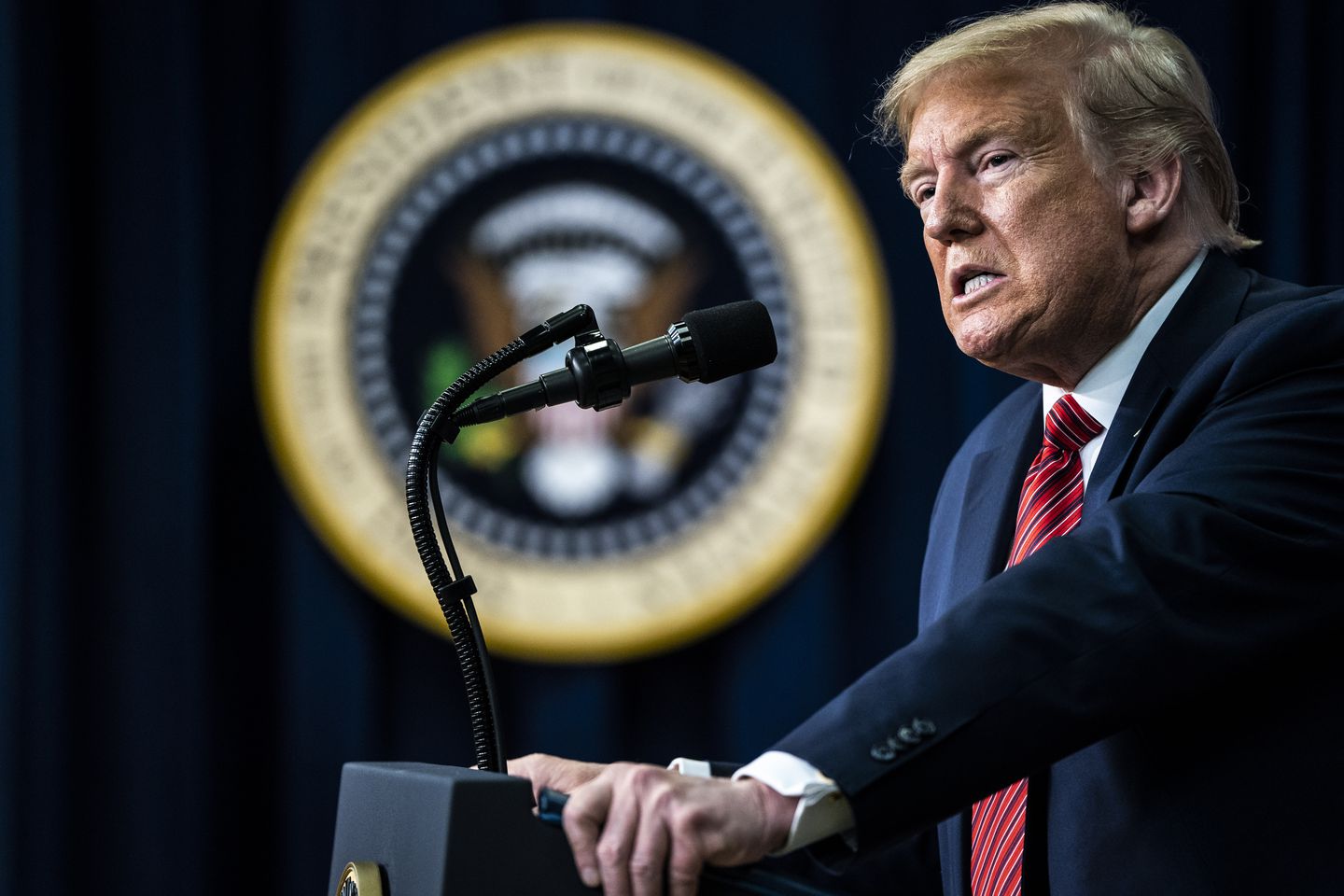
Trump has a long record of treating ideological labels as political weapons, not academic definitions. In his February 5th, 2019, State of the Union address, he drew a bright line with a line built for repetition: “The United States will never be a socialist country.”
That sentence is doing fresh work now, because “socialist” and “communist” can function as shorthand for a whole bundle of cultural grievances. It also pressures Republicans down-ballot to echo the frame, even in districts where voters are more worried about local schools than global ideology.
Why the Red-Scare Frame Still Has Leverage
The modern argument is less about Marx and more about branding. If one side successfully defines the other as a threat to ordinary life, the policy details become background noise, and midterms become a referendum on identity and fear.
There is history behind the reflex. The term “Red Scare” is commonly used for periods when anxiety about communism drove aggressive political tactics, blacklists, and loyalty tests, creating career and reputational consequences that outlasted the moment itself.
The Counterpunch Democrats Are Signaling
Democrats, for their part, have an obvious line of attack: show the receipts on what is actually being proposed in budgets and laws, then argue that the “communism” label is a distraction designed to avoid measurable promises. The power dynamic is the point, because whoever controls the language often controls what questions candidates must answer.
What to watch is not just whether Trump repeats the label, but whether Republican candidates in competitive races adopt it on their own, and whether Democratic incumbents decide to litigate ideology or drag every argument back to kitchen-table math. If the fight stays at the level of labels, Trump wins airtime. If it turns into a ledger, the midterm battlefield changes.