

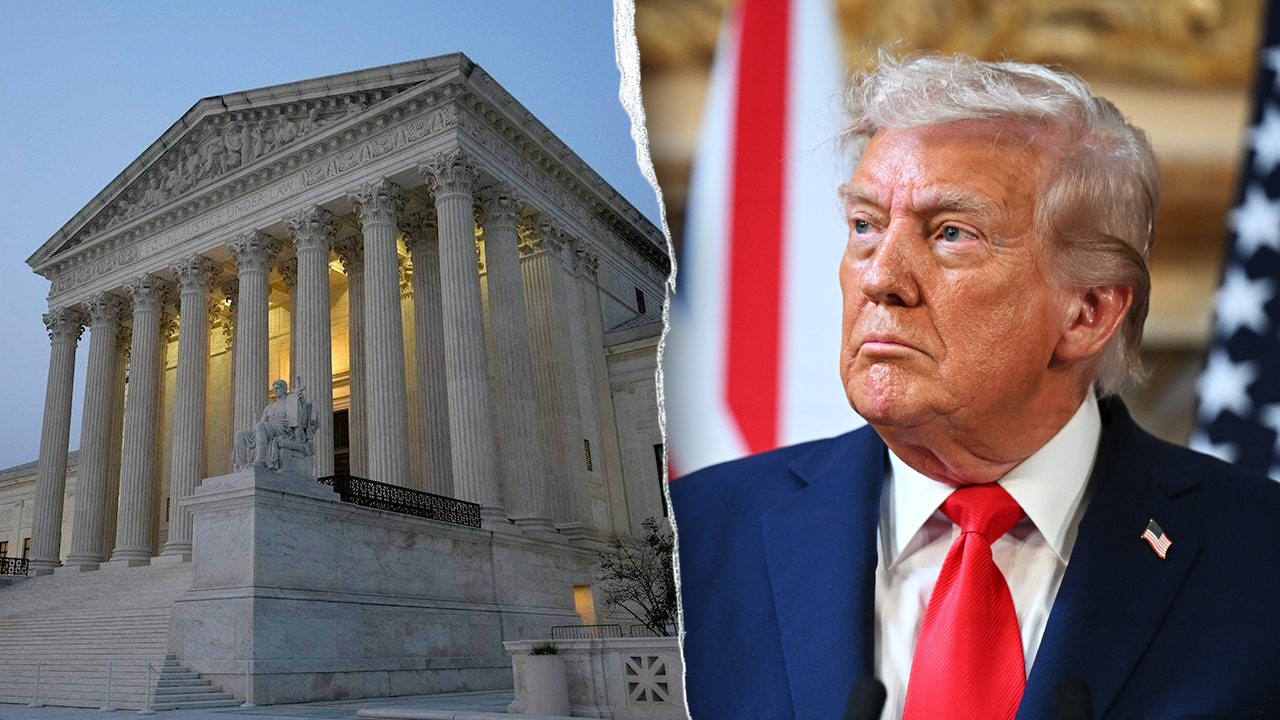
Washington has two power centers that love the word independent. Donald Trump has spent years testing what that word actually buys you when the stakes are interest rates, court rulings, and political control.
What You Should Know
Donald Trump nominated Jerome H. Powell to lead the Federal Reserve, and he appointed three Supreme Court justices. Those choices continue to shape monetary policy debates and major rulings, even as both institutions stress their independence.
Trump’s influence story is not one lever. It is two: a central bank that moves markets with a sentence, and a Supreme Court that can redraw the rules for presidents, agencies, and elections.
Two Institutions Built to Resist Presidents
The Federal Reserve is structured to be insulated from day-to-day politics, but the president still picks the chair, subject to Senate confirmation. According to the Federal Reserve, Powell joined the Board of Governors in 2012 and later became chair after a presidential nomination.
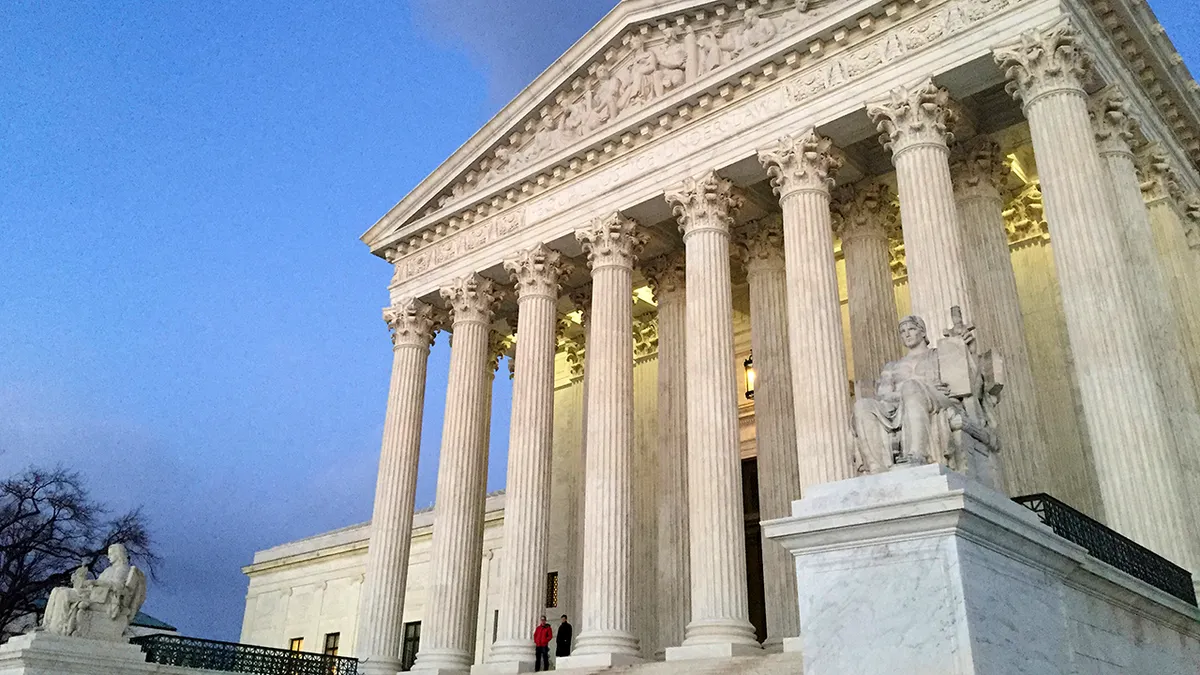
The Supreme Court’s insulation is even more literal. Life tenure turns a single White House term into decades of legal gravity, especially when a president fills multiple seats.
The Fed, Powell, and the Limits of Influence
Trump nominated Powell on November 2nd, 2017, and Powell began serving as chair in February 2018. Once Powell had the job, the relationship turned into a public push-and-pull that put a normally quiet institution in the middle of political messaging.
In December 2018, The New York Times reported that Trump discussed firing Powell, citing people familiar with the matter. The episode mattered less as a personnel plan than as a signal: even floating the idea publicly can pressure a chair whose core asset is credibility.
Trump made his frustration plain in front of cameras. In October 2018, he told reporters, “The Fed has gone crazy,” a line that quickly became shorthand for how openly he was willing to jawbone monetary policy.
The Supreme Court Trump Built, and the Payoff
On the Court, Trump named three justices, Neil Gorsuch, Brett Kavanaugh, and Amy Coney Barrett, shifting the bench to a durable conservative majority. That majority has since decided cases with direct consequences for presidential power and for how aggressively federal agencies can regulate.
One of the clearest examples came in Trump v. United States, a 2024 decision that set new boundaries around presidential immunity for official acts. The Court framed the ruling as a separation-of-powers dispute, but the political stakes were obvious: it reshaped legal risk for presidents, including Trump, in criminal investigations tied to their time in office.
What to watch next is not a single headline. It is whether future administrations treat Fed independence as a legal rule or a PR posture, and whether the Court’s new executive-power lines harden into a playbook for the next presidency.