

The 2028 Democratic race is not supposed to be happening yet. So why are progressives already treating it like a hiring process?
What You Should Know
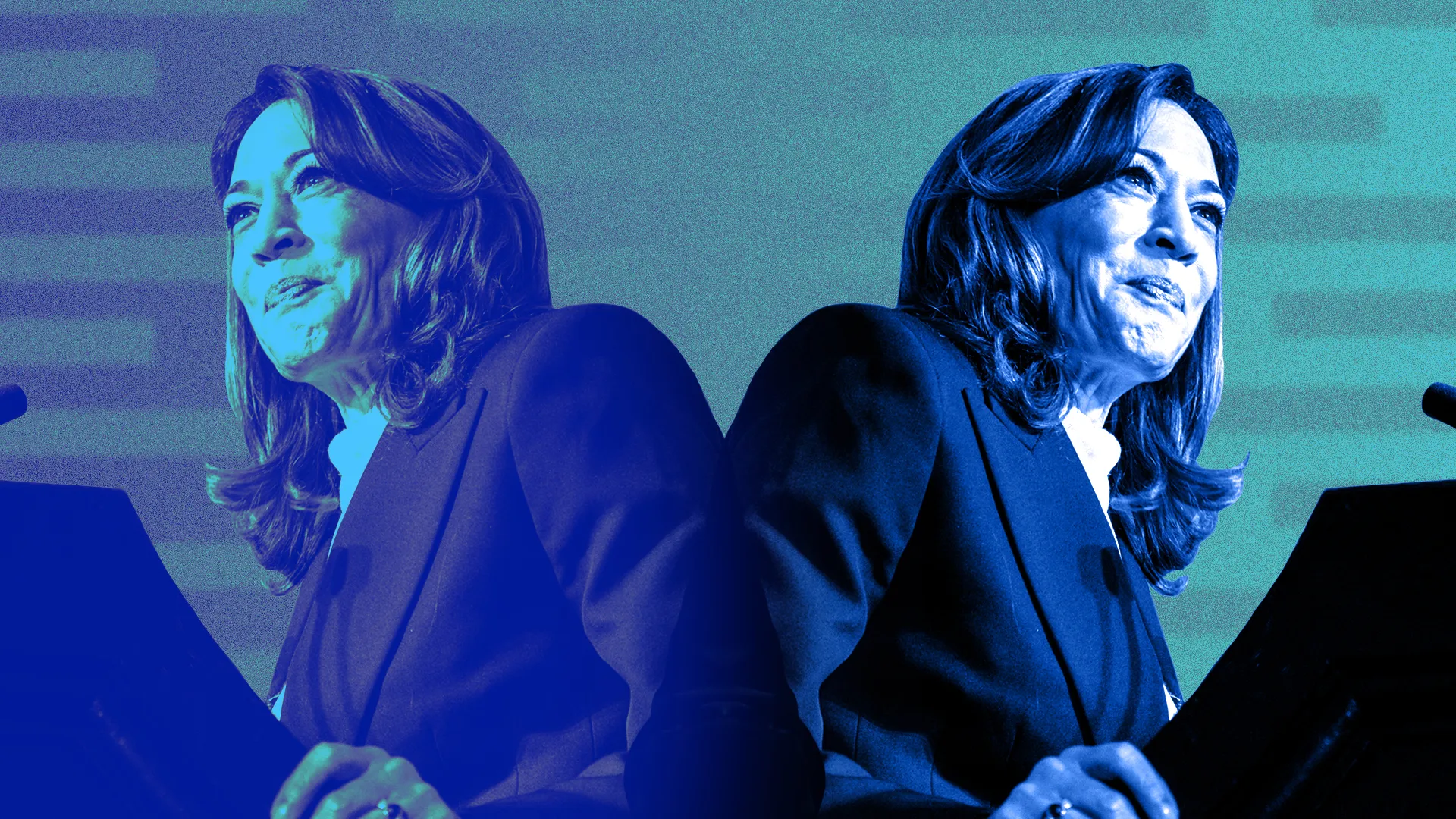
An Axios report published July 1st, 2026, describes progressives talking early about the next presidential cycle, including where Vice President Kamala Harris fits and which left-flank figures could gain traction. It highlights an emerging tug-of-war over influence inside the party.
Axios framed the moment as a pressure test for Democrats: whether Harris becomes the default heir, or whether activists try to force a wider, more ideological contest by elevating alternative names, including Zohran Mamdani, a New York State Assembly member.
The Unspoken Power Play Behind Early Chatter
Early 2028 talk is not just gossip. It is leverage. The faction that starts organizing first can shape donor lists, activist priorities, and the media narrative that later candidates inherit.
That is the awkward bind for Harris. As vice president, her job description rewards discipline and message control. As a potential future nominee, she cannot stop other people from auditioning her in public, or from shopping for a replacement.
Harris Has the Title, Progressives Want the Terms
The White House biography describes Harris as the first woman, the first Black American, and the first person of South Asian descent to serve as vice president. In intraparty politics, that resume can read as both protection and provocation, depending on which coalition is speaking.
Progressive organizers, meanwhile, tend to treat succession as conditional. They want policy commitments and movement credibility, not just seniority. Harris is widely associated with party leadership, while the left keeps hunting for candidates who look more like a challenge to it.
Harris has also shown she can deliver a sticky line when she wants to set stakes. At campaign events, she has used the refrain “We are not going back,” a phrase that doubles as a warning to Republicans and a reminder to Democrats about what happens when their coalition fractures.
Why Mamdani Pops Up in a National Conversation
Mamdani is not a household name nationally, which is part of the point. The New York State Assembly member profile for Zohran K. Mamdani makes clear he is already in elected office, and that alone can turn an online following into a real-world network of donors, volunteers, and validators.
Still, there is a gap between being a symbol and being a contender. The higher the profile, the harsher the scrutiny, and the more the party establishment will demand proof of broad appeal. That tension, more than any single personality, is what makes early 2028 chatter politically useful to the activists pushing it.
The next tell will be whether this remains talk, or turns into infrastructure: endorsements, fundraising vehicles, and coordinated pressure campaigns aimed at shaping what a Harris-led future looks like, or whether there is one at all.