

The Iran deal debate has a funny way of resurfacing right when the Republican Party is trying to decide who gets to speak for it on foreign policy.
What You Should Know
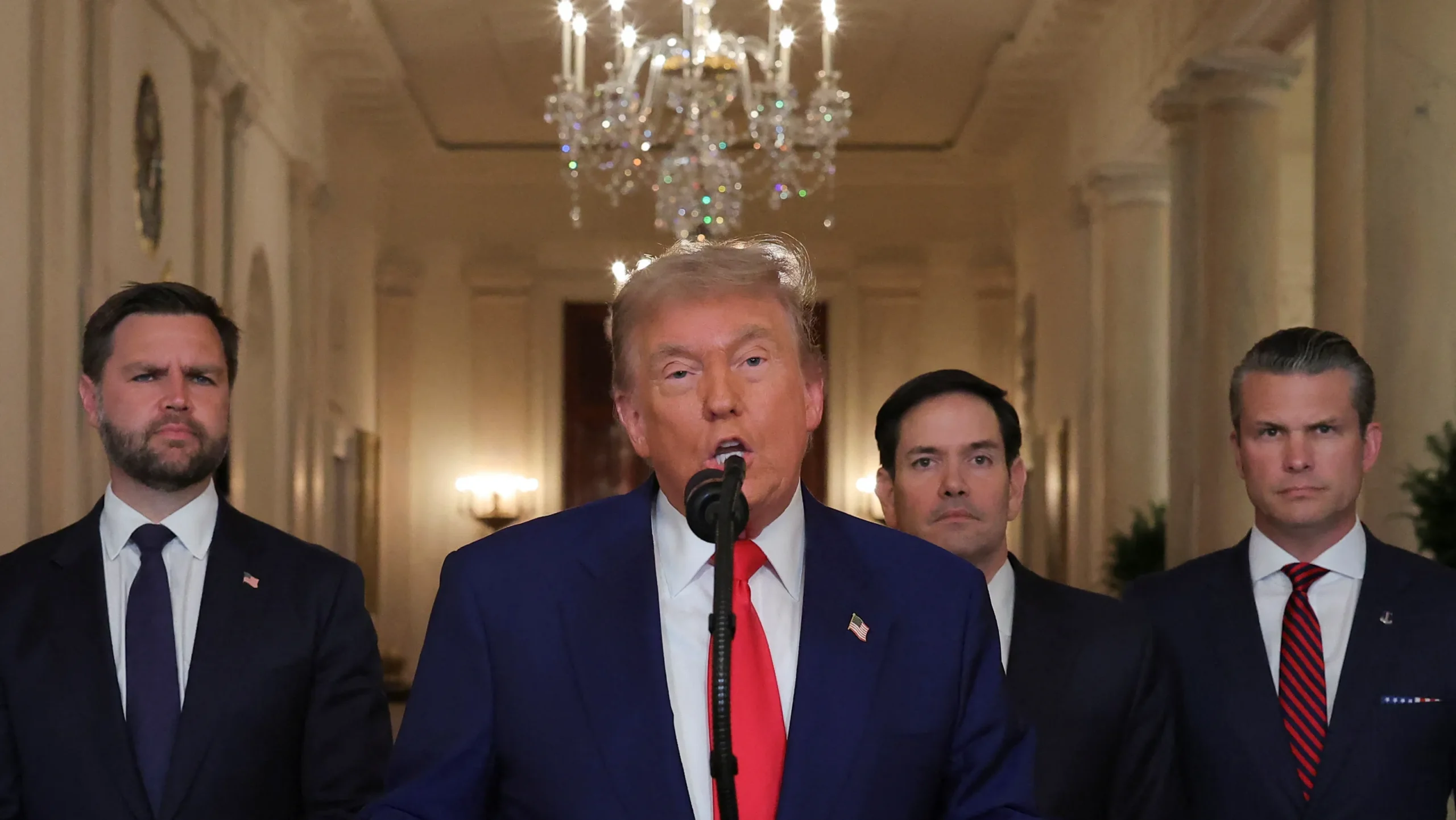
The U.S. joined the Iran nuclear deal, formally the JCPOA, in 2015, and President Donald Trump announced the U.S. withdrawal on May 8th, 2018. Since then, prominent Republicans including Trump, Sen. Marco Rubio, and Vice President JD Vance have signaled different instincts on pressure, diplomacy, and limits.
The public fight is usually framed as simple hawks versus doves. The real tension is power: who can claim the party brand on national security, who can define an enemy, and who can call any future negotiation either a surrender or a smart trade.
The Power Fight Behind the Policy
Trump made tearing up the JCPOA a signature act, and it still functions like an ID check inside GOP politics. If you backed the deal, or even sound curious about reviving a version of it, you risk being labeled soft, naive, or disloyal to the party line.
Rubio, a longtime Senate foreign policy voice, has built his profile on a harder posture toward adversaries, including Iran. Vance, a newer power center with strong influence in Trump-aligned circles, has been associated with a more restrained, deal-skeptical strain of populism that still wants America to look tough.
The Receipts From the First Iran Deal Fight
The original deal, negotiated under President Barack Obama, was designed to restrict Iran’s nuclear program in exchange for sanctions relief, with international monitoring built in. That is the basic structure that keeps coming back, even as the politics around it get messier.
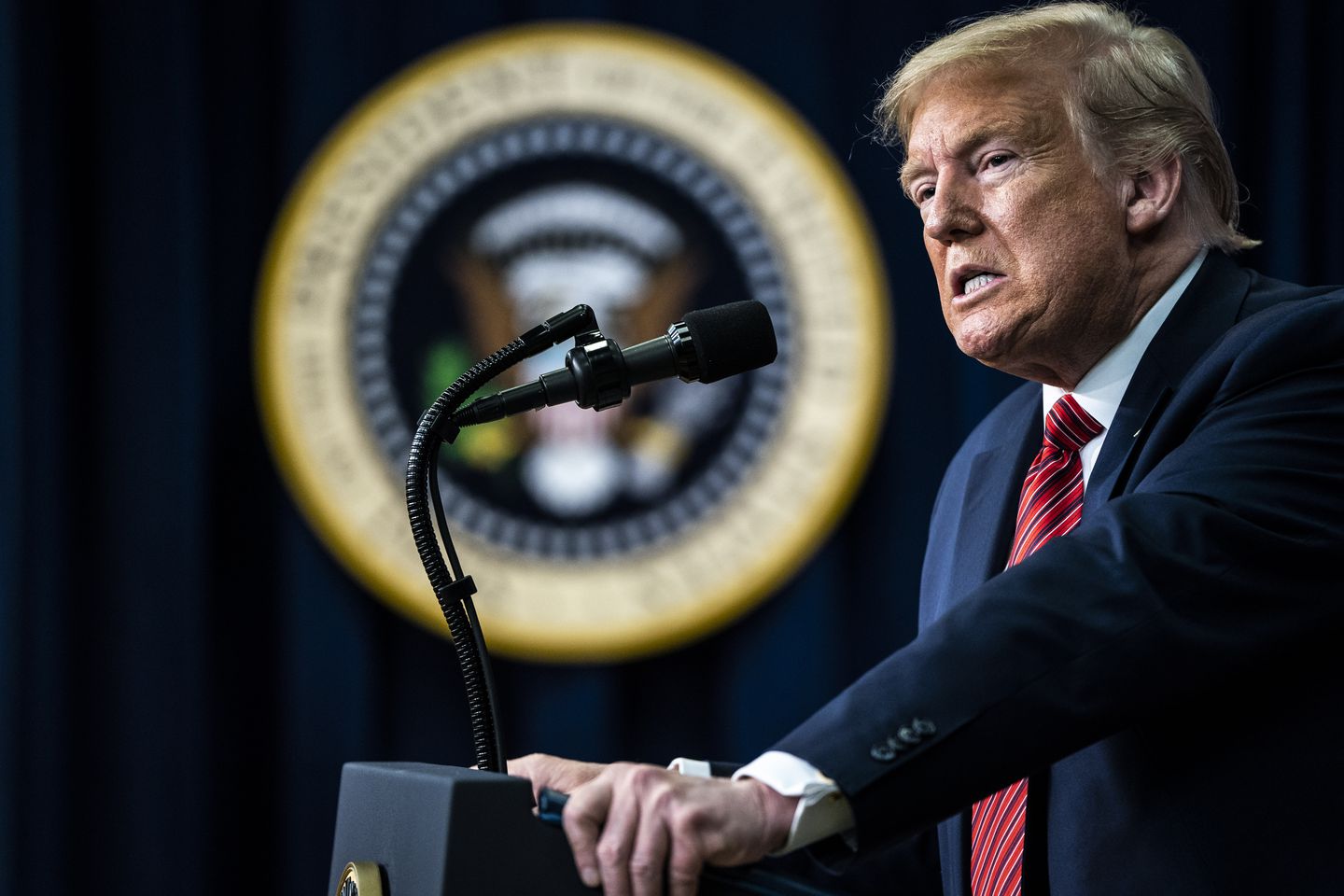
When Trump announced the U.S. exit on May 8th, 2018, he argued the agreement failed to address Iran’s behavior beyond the nuclear file and left openings for a future sprint. In his remarks, Trump called it “defective at its core,” a phrase that has been recycled as a shorthand verdict ever since.
The Next Test Is Who Gets To Speak for “America First”
The stakes are not abstract. Any future diplomacy, sanctions escalation, or military deterrence posture hits oil markets, regional allies, and the domestic politics of war powers. It also creates a permission structure for rivals inside the party to say, “I was right,” and try to inherit the microphone.
Watch for the next moment when Iran negotiations re-enter the headlines, because that is when the internal GOP split becomes operational. The question is not whether the fight returns; it is which faction gets to label the other side as reckless first.